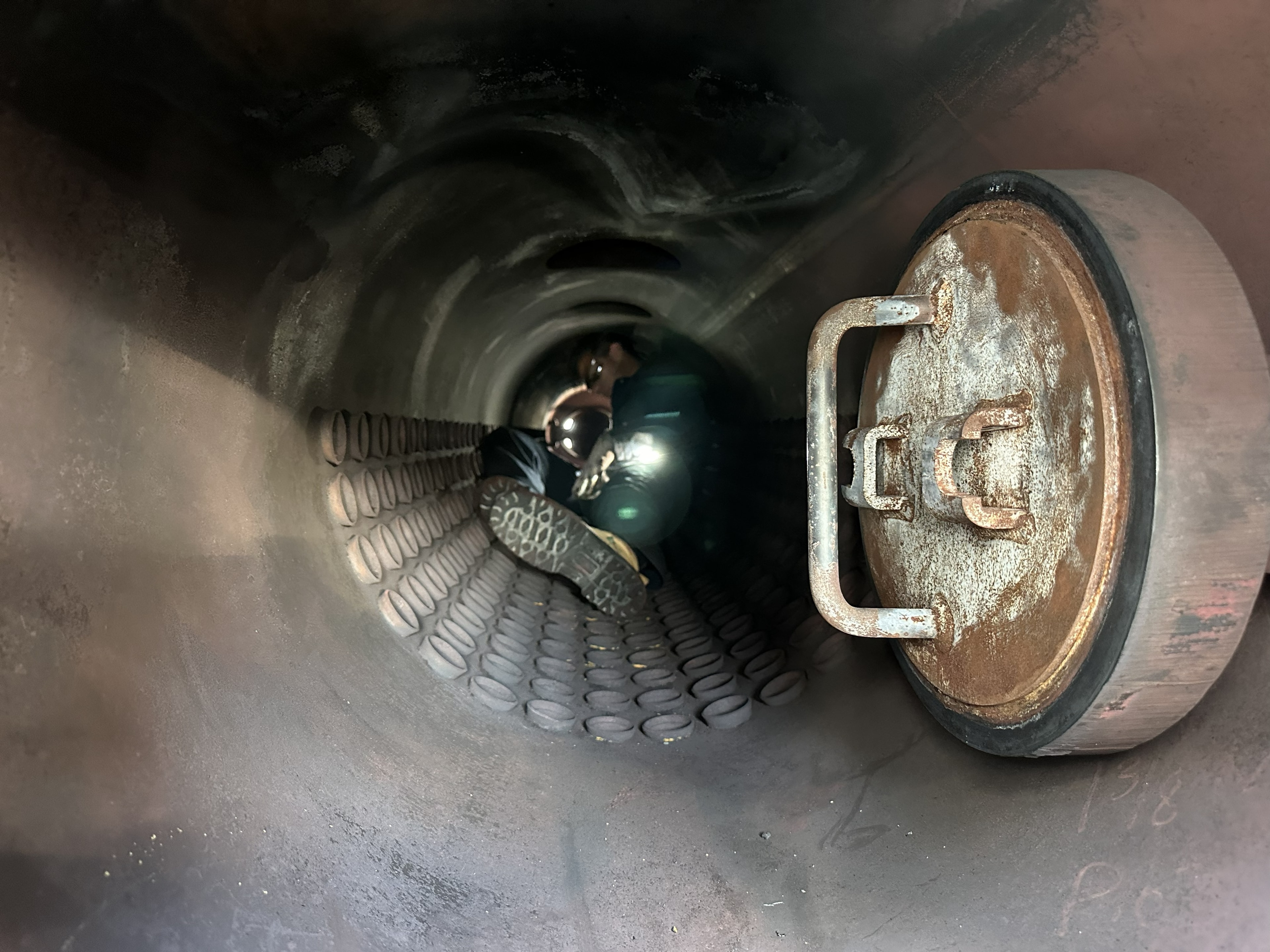
Steam contamination pathway traced to source
Multiple contamination pathways identified across the steam and condensate systems. However, the primary driver for the issue was galvanic corrosion in galvanized piping downstream of an RO system. Corrective actions and appropriate metallurgies were identified and deployed.
Project Details
Technology
Waste heat recovery boiler
Industry
Chemical / Carbon processing
Location
Gulf Coast, United States
Issue
High steam conductivity and water carryover
Trigger
Post-retrofit performance degradation
Services Provided
- Visual inspection of steam and mud drums
- Water chemistry analysis and sampling
- Steam conductivity measurement and trending
- Root cause investigation
- Corrective action recommendations
- Material specification for piping replacement
The Challenge
Following a major emissions control retrofit, the facility experienced persistent steam quality problems. Steam conductivity consistently exceeded the limits specified by the turbine manufacturer, creating risk of turbine blade deposits and potential damage. Despite multiple attempts to resolve the issue through water treatment adjustments, conductivity remained elevated.
The challenge was diagnostic: multiple potential contamination pathways existed across the steam and condensate system, and the facility needed to identify which mechanisms were driving the conductivity excursions. The investigation required tracing contamination from raw water intake through treatment, deaeration, boiler feedwater, and steam generation to isolate the root cause.
Complicating the investigation, the facility had undergone significant system modifications during the emissions control retrofit, introducing new piping runs, equipment connections, and water treatment configurations that could each be contributing to the problem.
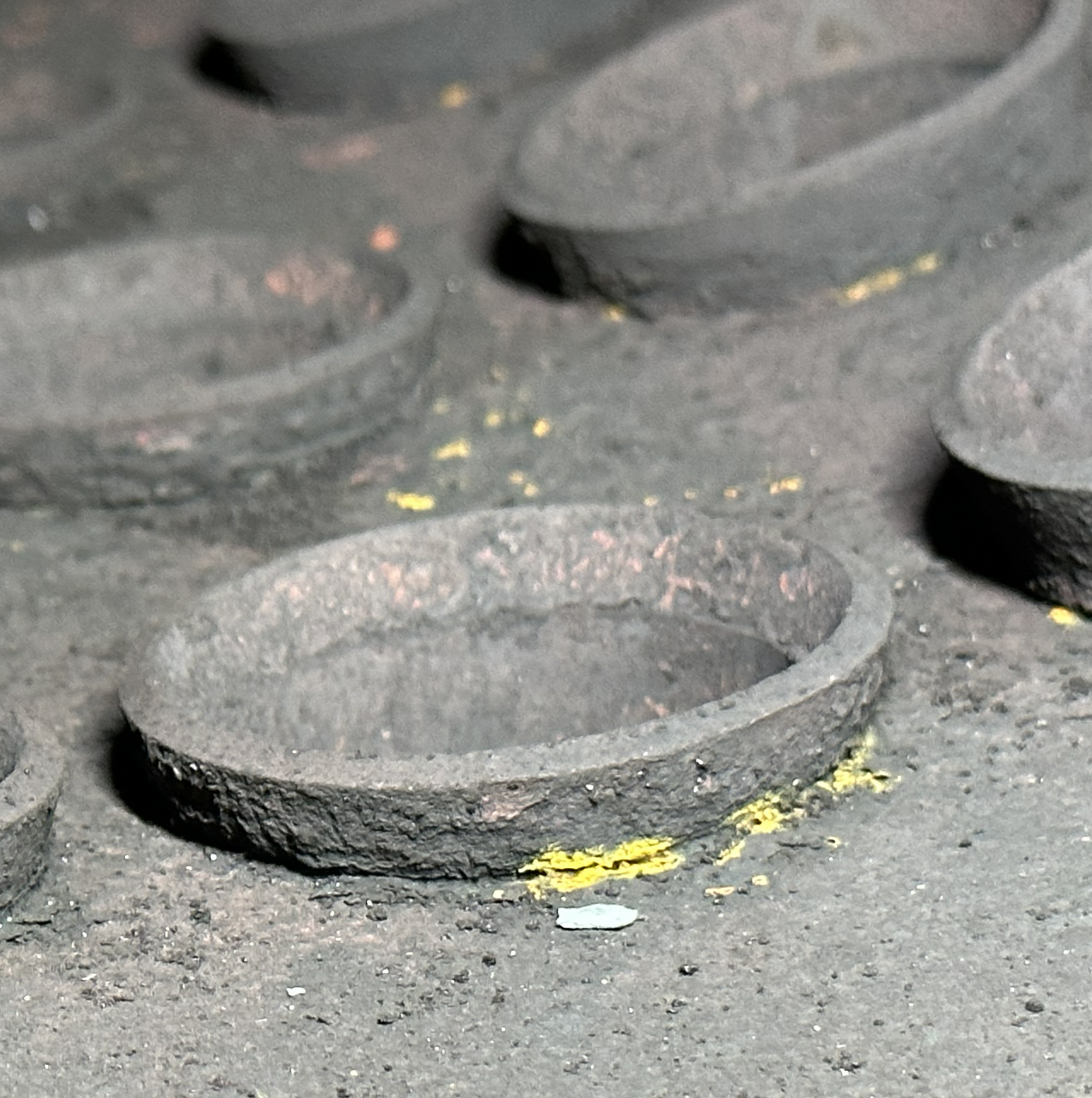
Tracing Contamination from Source to Steam.
CPE conducted a systematic investigation spanning the entire water treatment and steam generation cycle, combining physical inspection with analytical water chemistry to identify every contamination pathway.
Physical inspection
Water chemistry analysis
Mechanical assessment
Corrective specification
Root Cause Identified and Corrected.
The investigation revealed multiple contamination pathways, with galvanic corrosion in galvanized piping identified as the primary driver. Corrective actions addressed both the immediate contamination and the underlying material compatibility issues.
Primary cause
Galvanic corrosion identified
Galvanized piping downstream of the RO system was leaching zinc throughout the feedwater and boiler system.
Multiple pathways
Mapped and addressed
Physical debris, baffle gaps, improper piping materials, and missing carbon filtration all contributed to steam quality degradation.
Material upgrade
Stainless steel specified
All galvanized piping specified for replacement with appropriate stainless steel metallurgy (SA-320-TP316L).
3-stage cleaning
Remediation protocol
Steam flush, acid cleaning, and boil-out sequence specified to remove accumulated contamination from the entire system.
Have an engineering question?
Tell us about your project and we will let you know how CPE can help.