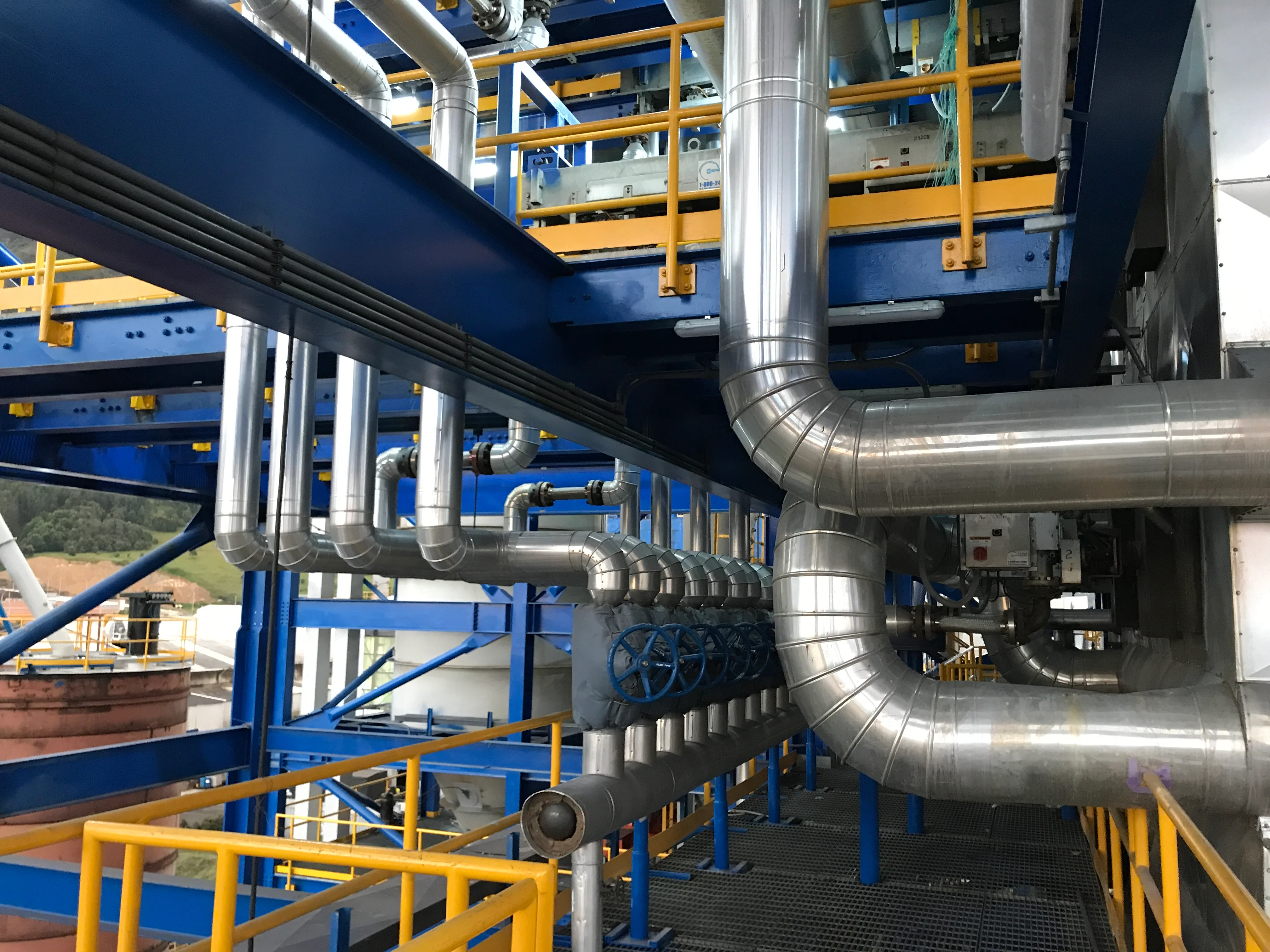
Multi-Discipline Engineering for Combustion, Steam, and Energy Systems
From refineries and gas processing plants to power generation, biomass, and paper mills - CPE delivers engineering, field services, and project execution for the fired equipment, boilers, steam systems, emissions controls, and energy infrastructure which industrial facilities depend on.
SECTORS
Industries We Serve
Every industry below depends on fired equipment, steam generation, or thermal processing at its core. CPE engineers the combustion systems, boilers, and energy infrastructure specific to each one.
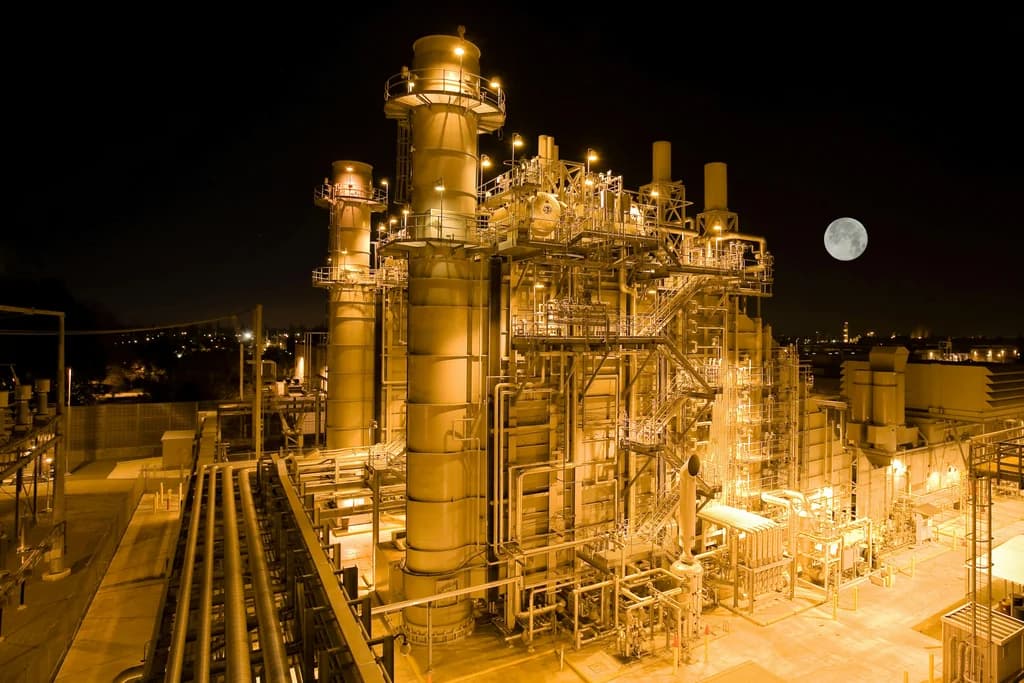
Power Generation
CPE provides engineering across the full spectrum of power generation - from baseload solid-fuel plants running at 90%+ capacity factor to natural gas peaking units that sit idle for months and need to start reliably on four hours’ notice. The common thread is fired equipment, steam generation, heat recovery, and emissions compliance. That is where CPE operates regardless of fuel, combustion technology, or duty cycle.
LEARN MORE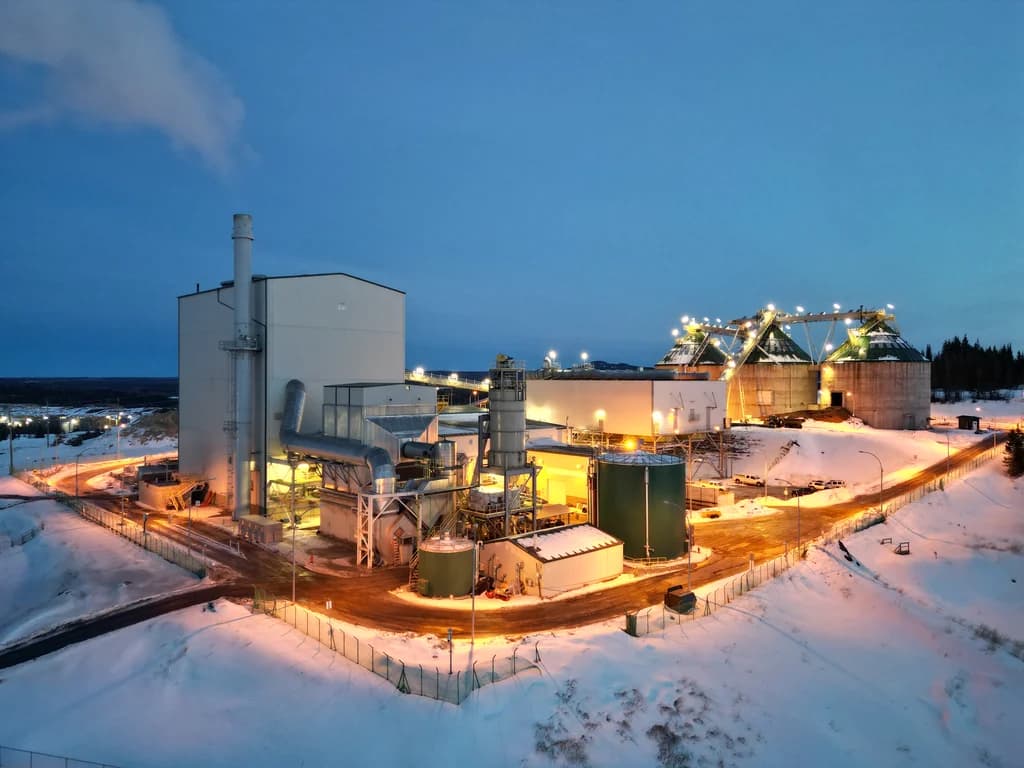
Biomass & Bioenergy
CPE engineers the thermal systems at the center of every major biomass and bioenergy pathway - from conventional combustion for power and steam through advanced thermochemical conversion technologies that produce biochar, syngas, bio-oils, and upgraded fuels. Our work spans the full project lifecycle: feasibility studies and fuel characterization, process design, detailed engineering, and commissioning support.
LEARN MORE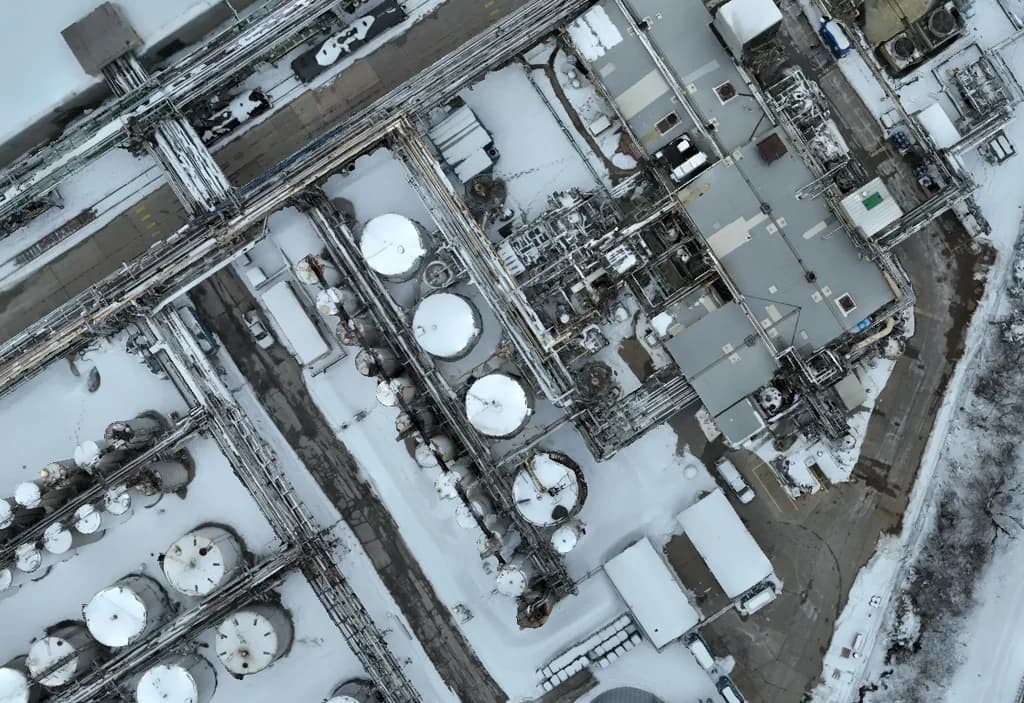
Chemical & Petrochemical
Chemical and petrochemical plants are built around reactors, distillation columns, and separation processes - but every one of those unit operations depends on fired equipment, steam systems, and heat transfer infrastructure to function. CPE engineers the thermal backbone of these facilities: the process heaters, boilers, waste heat recovery systems, and emissions controls that keep the plant running and in compliance.
LEARN MORE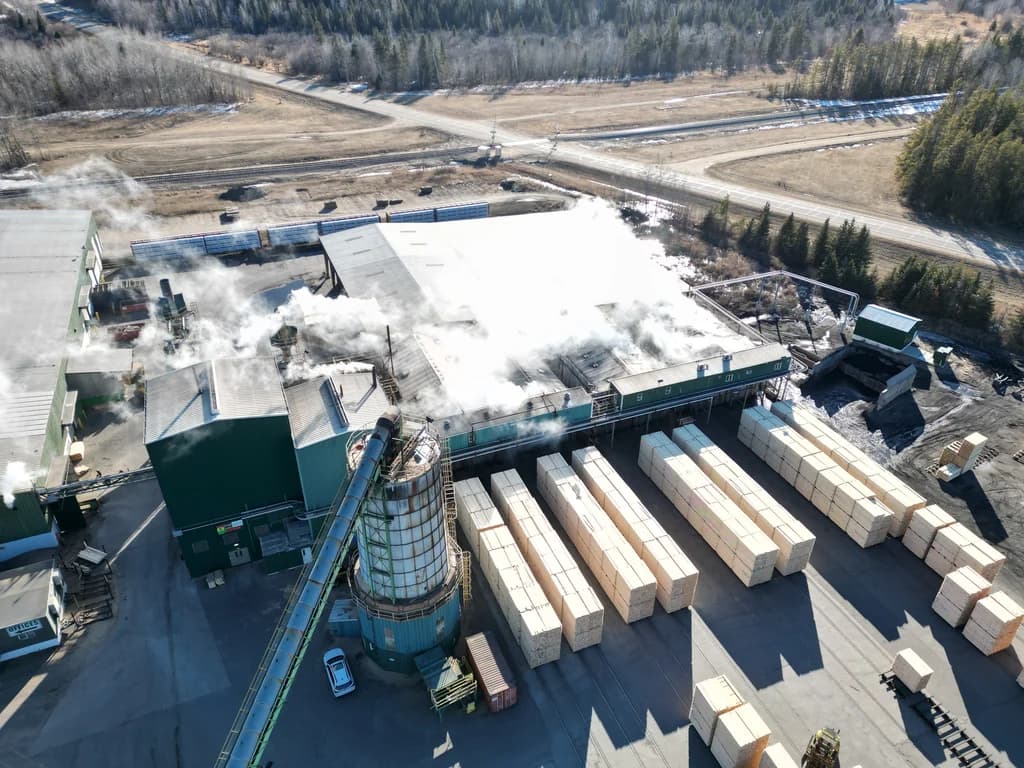
Wood Products
Wood products manufacturing - from sawmills and plywood plants through OSB mills, engineered wood facilities, and particleboard and MDF operations - runs on steam, direct-fired heat, and biomass combustion.
LEARN MORE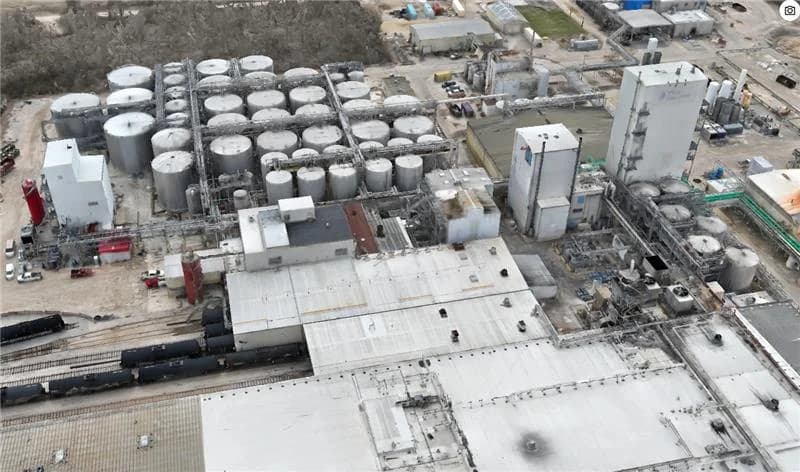
Food & Beverage
Nearly every step in food and beverage production - cooking, pasteurizing, sterilizing, drying, evaporating, distilling, rendering, extracting, and cleaning - runs on steam, direct-fired heat, or both.
LEARN MORE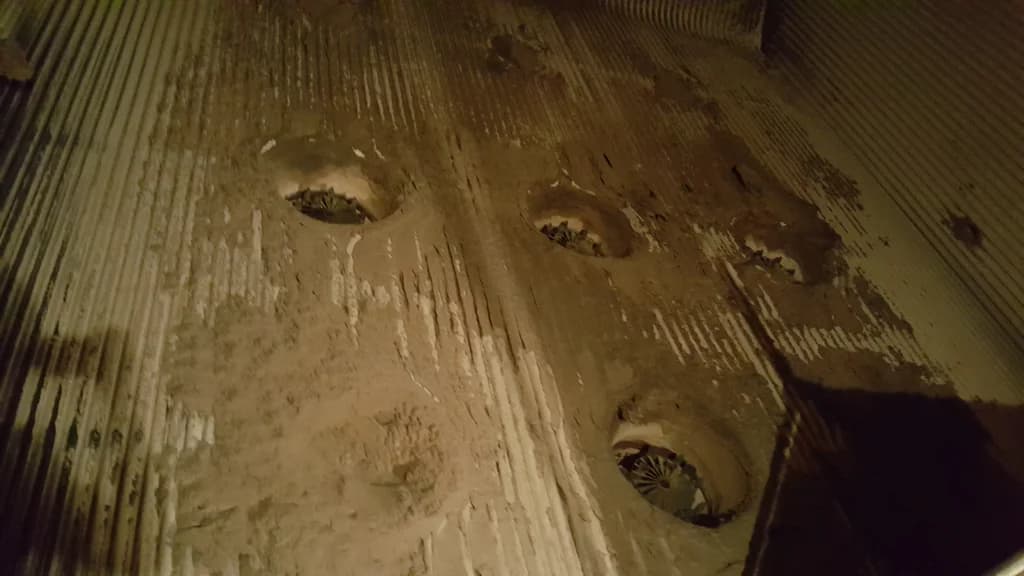
Pulp & Paper
A single integrated kraft mill may operate recovery boilers, power boilers, lime kilns, and gas-fired package boilers simultaneously, generating 500,000+ lb/hr of steam across multiple pressure levels while feeding turbines, paper machine dryer sections, evaporators, digesters, and dozens of other thermal end uses. The engineering challenge is not any single piece of equipment - it is the integration of combustion, steam generation, power production, and process heat delivery into a system that runs 350+ days per year. CPE engineers the fired equipment, boilers, steam systems, waste heat recovery, and emissions controls that form the thermal backbone of pulp and paper operations.
LEARN MORE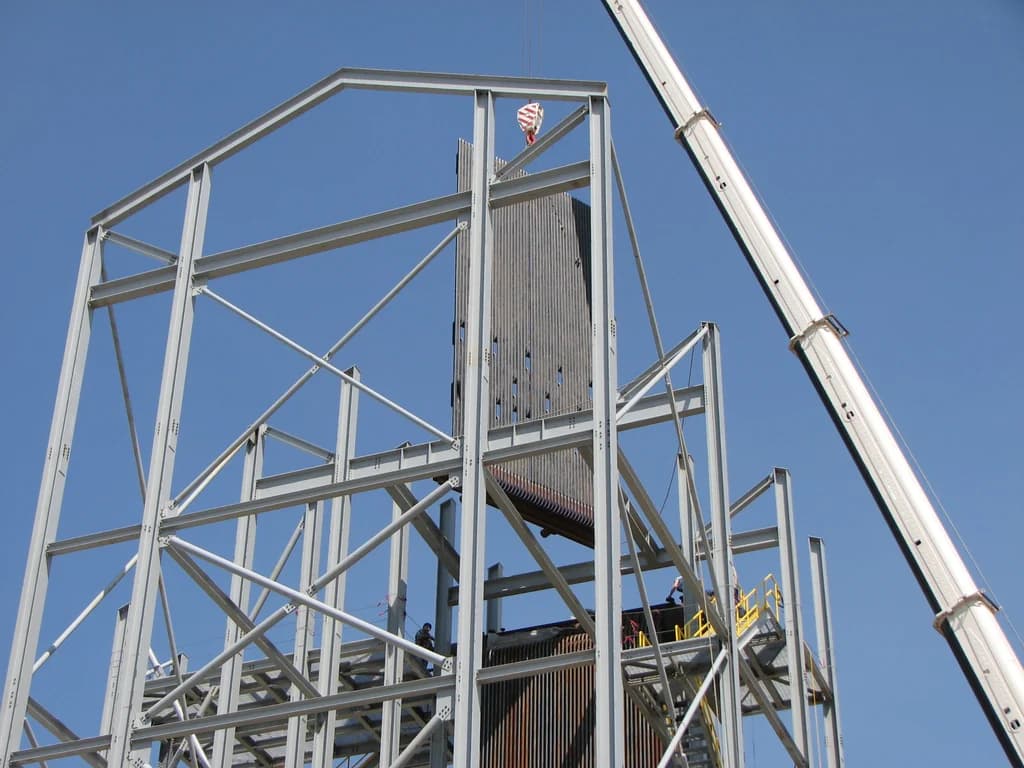
Waste-to-Energy
Waste-to-energy is where combustion engineering meets the most challenging fuels in the industrial world. Municipal solid waste, refuse-derived fuel, construction and demolition debris, tire-derived fuel, sewage sludge, and industrial process wastes all present combustion, materials, and emissions challenges that exceed those of any conventional fuel. The fuels are heterogeneous, variable, chemically aggressive, and often arrive at the plant gate with limited advance characterization. Every design decision - from grate selection through superheater metallurgy through emissions control - must account for this variability. CPE engineers the combustion systems, boilers, waste heat recovery, steam power cycles, and emissions controls for WTE facilities.
LEARN MORE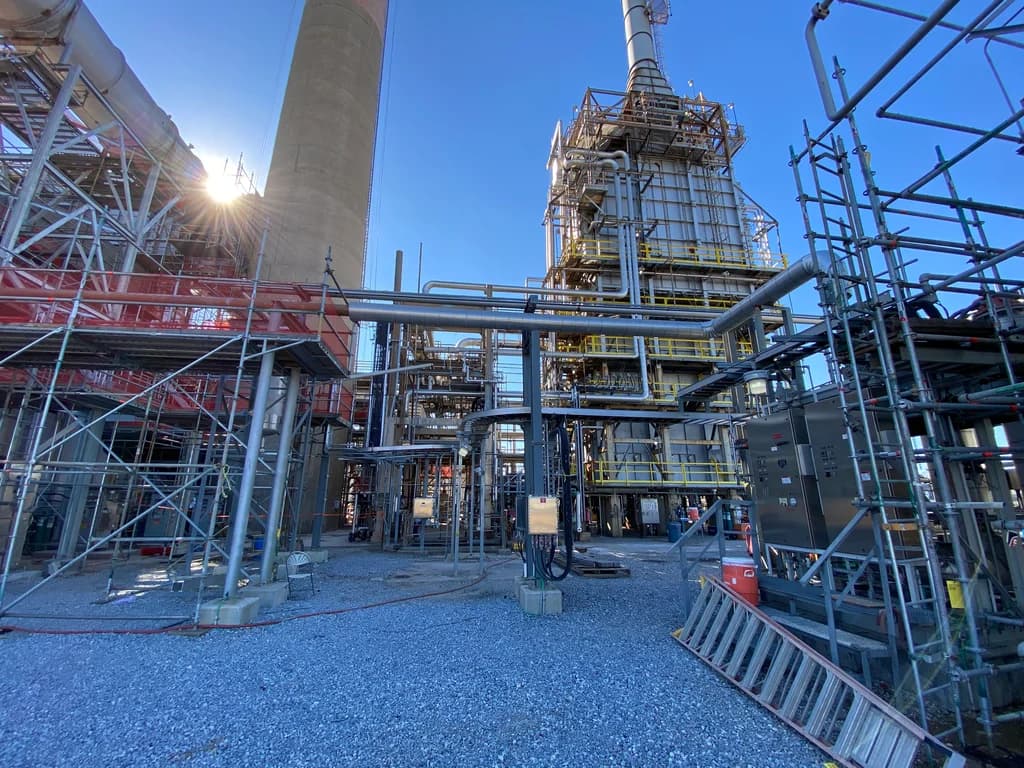
Refineries
Petroleum refineries are the most fired-equipment-intensive industrial facilities in the world. A single large refinery may operate 30-60 process heaters, a dozen or more boilers, multiple HRSGs, sulfur recovery units, flare systems, and thermal oxidizers - all firing refinery fuel gas, natural gas, or liquid fuels in an interconnected system where every piece of equipment affects every other. CPE engineers the fired equipment, boilers, steam systems, waste heat recovery, and emissions controls inside the refinery fence.
LEARN MORE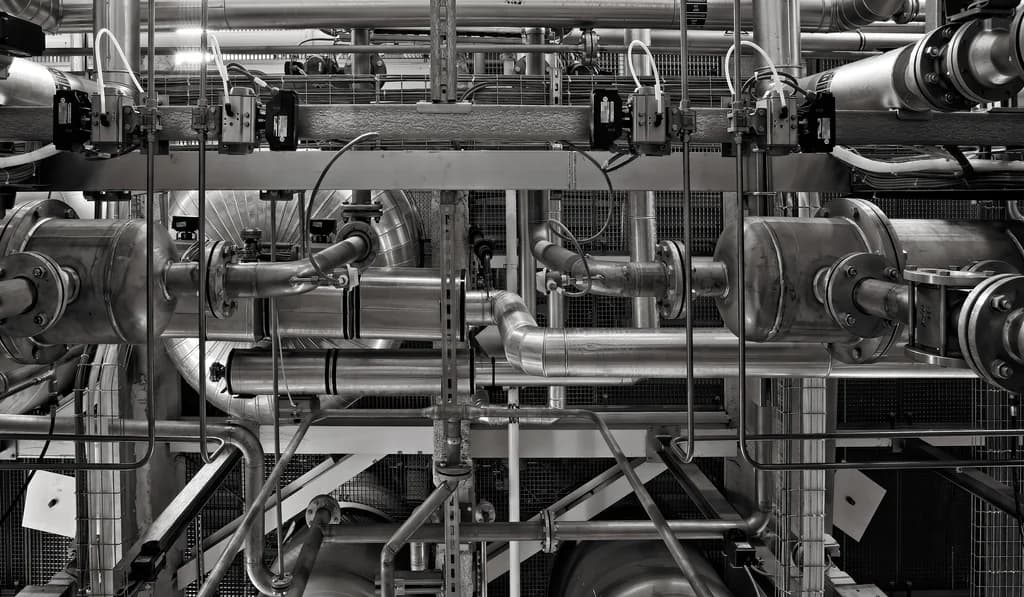
Midstream Gas Processing
Midstream gas processing sits between the wellhead and the end-use market - conditioning raw natural gas and associated liquids into pipeline-quality gas, NGL products, and specification liquids for sale.
LEARN MOREPROJECT EXAMPLES
Cross-industry
project examples
Power Boilers
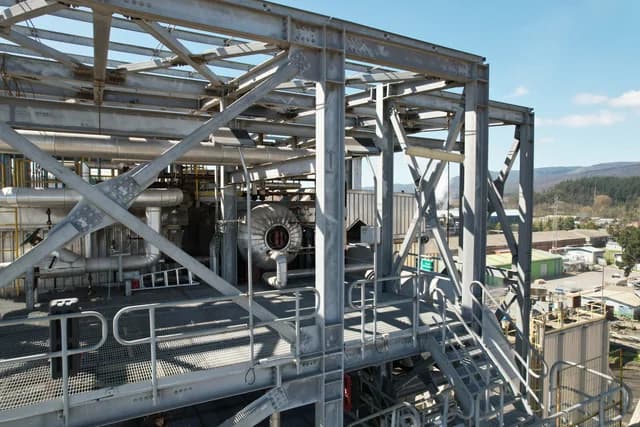
BFB boiler for high-moisture biomass - South America
Complete BFB boiler design for a biomass facility in South America, handling high-moisture fuels with custom combustion and heat transfer engineering.
Debottlenecking
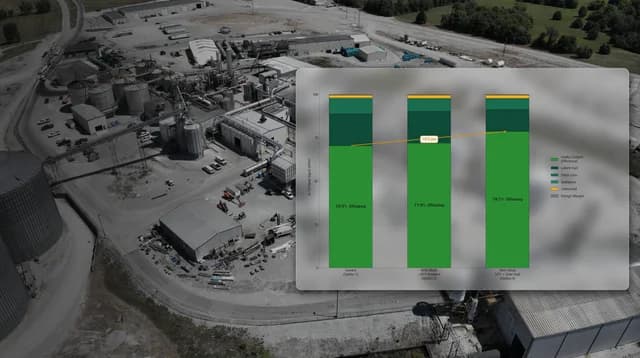
Biomass boiler capacity limits identified across 17 subsystems
Component-level performance and capacity assessment of boiler, fans, ESP, fuel handling & metering, ash handling, economizer, air heater, multiclone and emissions controls systems. Boiler and appurtenant systems were modeled at existing and target conditions to identify bottlenecks and areas for improvement, required to achieve target conditions. Capital cost estimates were then provided for each option for determination of the best option to proceed with.
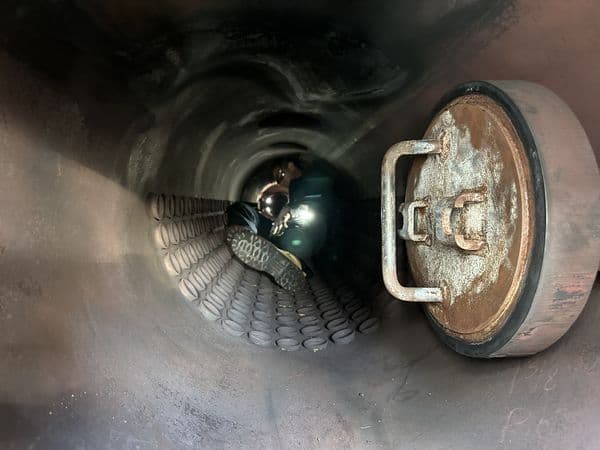
Root-Cause Investigation
Steam contamination pathway traced to source
Multiple contamination pathways identified across the steam and condensate systems. However, the primary driver for the issue was galvanic corrosion in galvanized piping downstream of an RO system. Corrective actions and appropriate metallurgies were identified and deployed.
THE CPE DIFFERENCE
Why industry
experience matters
Engineering fundamentals are universal, but knowing an industry means faster ramp-up, fewer surprises, and designs that work the first time.
Code and compliance familiarity
Every industry has different regulatory requirements and code interpretations. CPE knows the ASME sections, EPA rules, and local permitting pathways that apply to each sector.
Equipment-specific expertise
Bagasse grates work differently than stoker grates. Recovery boiler design is different from BFB design. CPE engineers work in these systems, not just around them.
Operational constraints
Sugar mills run campaigns. Sawmills cannot shut down mid-shift. Food plants have sanitation windows. CPE designs and schedules around real operational realities.
Industry vocabulary
When CPE talks about dry kiln steam, bagasse moisture, or soybean extraction steam loads, it is because the team has designed those systems before.
Work in one of
these industries?
Tell us what you are working on and we will let you know how CPE can help.