Technical and Economic Clarity Before You Commit Capital
Compare options, model performance, and estimate costs for each path forward.
SERVICE OVERVIEW
The Right Approach Within the Realities of Budget, Schedule, and Risk
Feasibility studies are a creative, collaborative process between stakeholders and experienced engineers: developing, evaluating, and pressure-testing multiple paths forward. Decisions at this stage carry the greatest leverage over total project cost while the least capital has been committed.
Examples of When a Feasibility Study Is the Right Step
A fuel switch is under consideration and the technical and economic viability needs to be established before committing.
On-site power generation or combined heat and power is being evaluated, with multiple turbine, engine, or HRSG configurations to compare.
Production is constrained by equipment limits and the bottleneck requires capital investment to resolve.
Multiple technology options exist for a system upgrade or replacement and the right choice is not obvious.
Environmental regulations or emissions targets are driving a change and the compliance path needs to be defined.
A proposed investment requires independent technical and economic validation for financing, permitting, or stakeholder approval.
Brownfield expansions where the new systems will have major impact on existing plant systems and downtime plan definition is required to mitigate project risks.
Evaluation of deployment of a new technology or production center, whether in a new or existing facility.
DELIVERABLES
What a Study Delivers
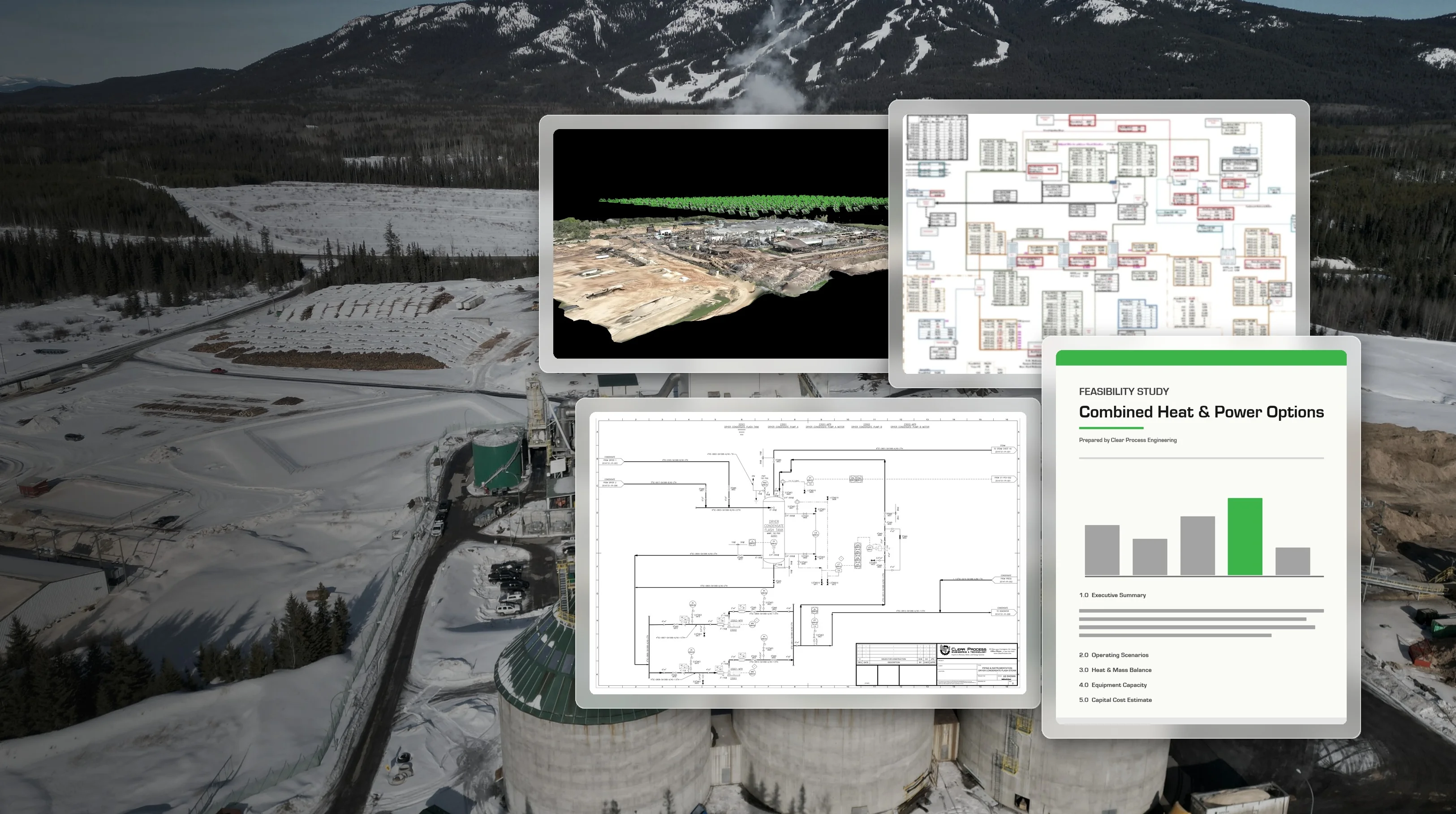
Reports, models, and documentation structured for capital approvals and the next phase of engineering.
Feasibility Report
Analysis of each viable option with executive summary, recommendations, and quantified assumptions.
Technical Documentation
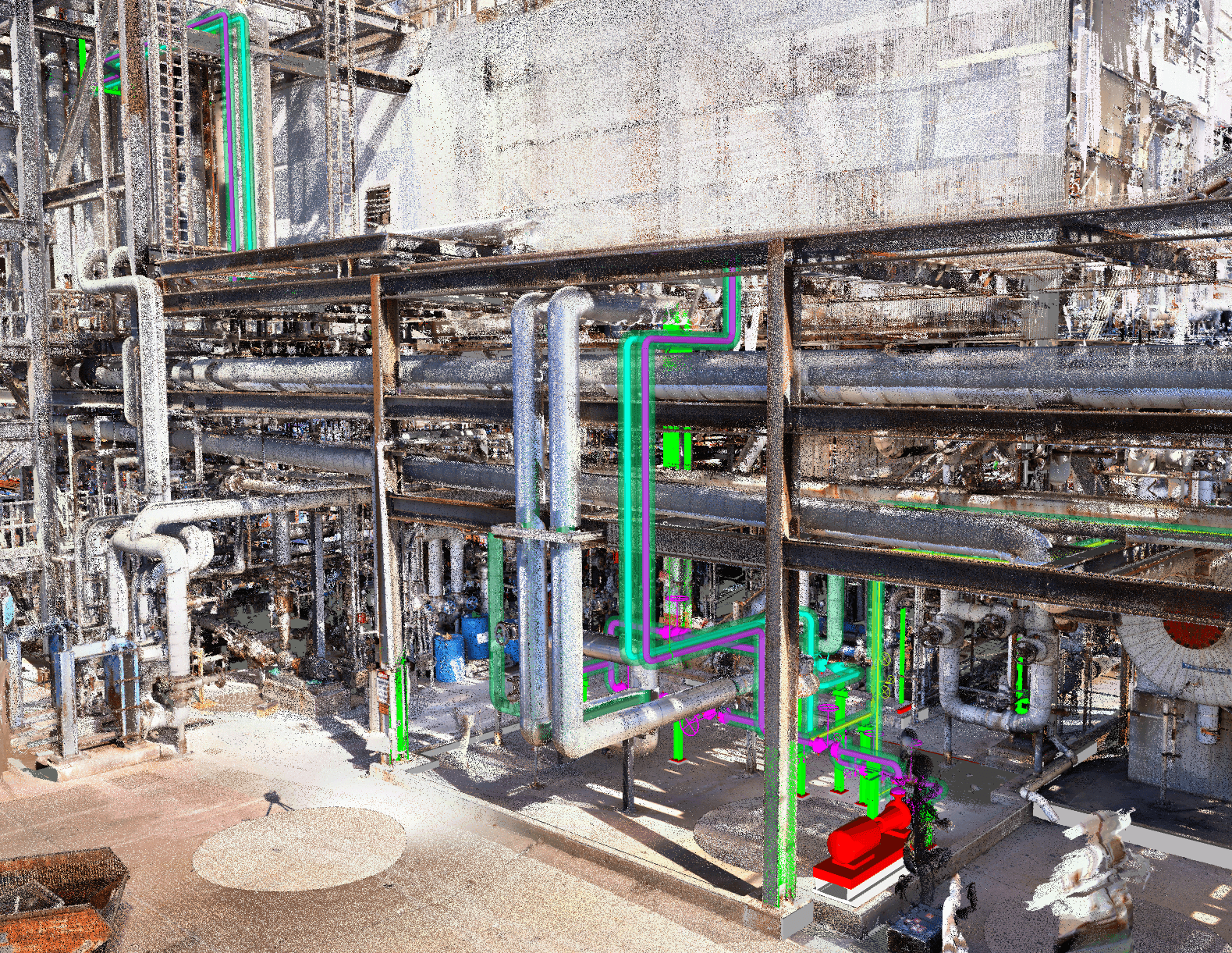
Supporting calculations, equipment data sheets, and preliminary layouts that carry forward into detailed engineering.
Heat & Mass Balance
Economic Model
Equipment Specs
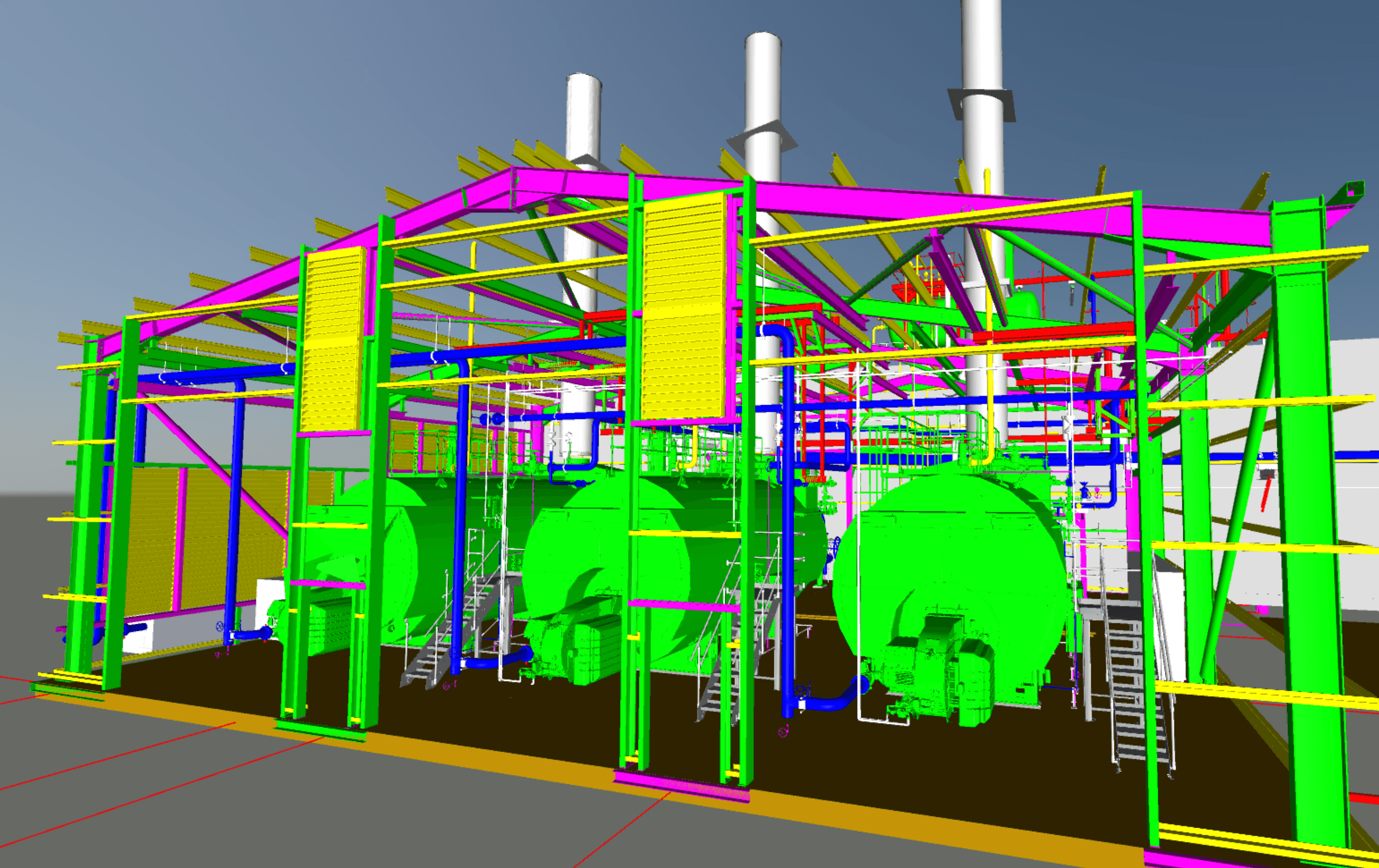
Preliminary Layouts
Process Flow Diagrams
Capital Cost Estimate
Options comparison
Options compared side by side on capital cost, savings, payback, and performance.
Capital cost estimate
SCOPE
Common Feasibility Study Types
Every study is scoped to the specific decision, from early feasibility through FEL/FEED. These are the most common types.
Fuel Conversion and Switching
Viability of switching fuels or adding new fuel capability. Combustion modeling, fuel handling requirements, emissions impact, and capital estimates for each option.
CHP and Power Generation
Gas turbines, steam turbines, ORC, and engine-generator configurations evaluated against site-specific steam and electrical loads with multi-year economic models.
Debottlenecking and Capacity
Identification of equipment and system constraints limiting throughput. Retrofit and rerate options modeled at target capacity with capital estimates for each upgrade path.
Technology Comparison
Vendor-neutral evaluation of competing technologies against site requirements. Each option scored on performance, cost, risk, and operational fit.
Heat Recovery and Energy Optimization
Stack heat recovery, condensate flash recovery, blowdown reduction, and process heat integration. Each option modeled with capital cost and payback.
Emissions and Permitting
Emissions control technology selection and permitting pathway analysis. Emissions modeling, regulatory threshold comparison, and timeline estimates by jurisdiction.
PROJECT EXAMPLES
Feasibility study
project examples
Debottlenecking
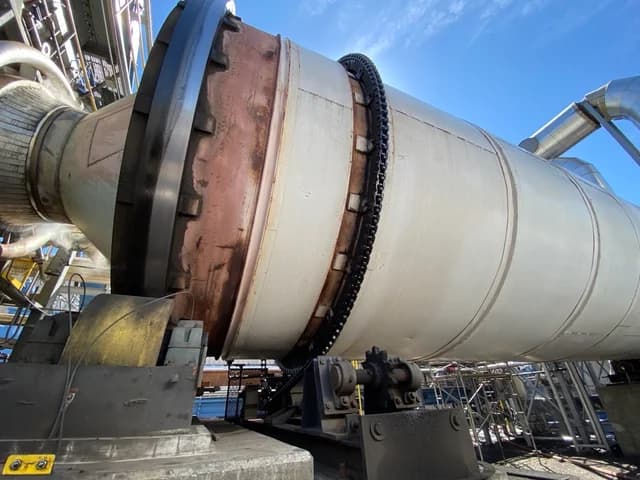
Biochar Facility Debottlenecking & Capacity Expansion
A comprehensive pyrolysis yield analysis with heat and mass balance to identify process and equipment constraints and engineer a path for tripling biochar production capacity.
Debottlenecking
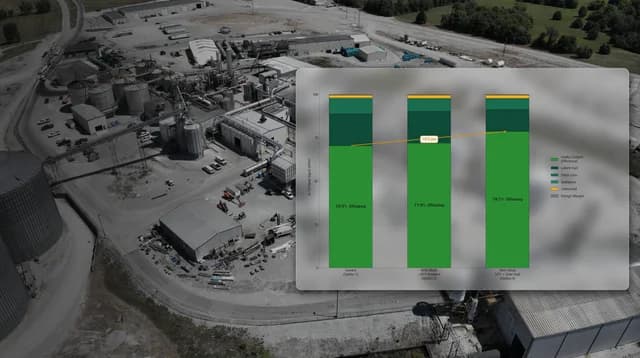
Biomass boiler capacity limits identified across 17 subsystems
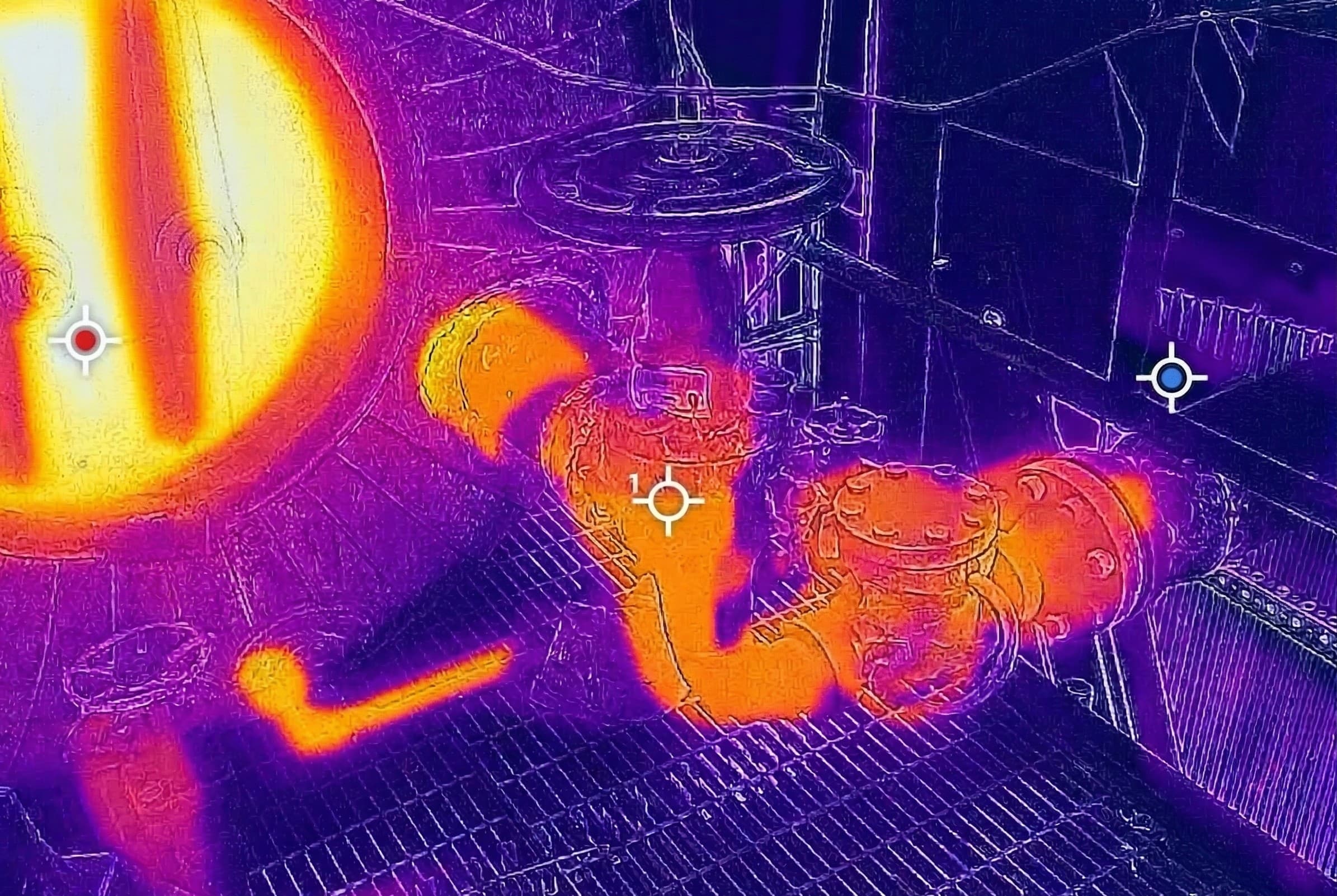
Component-level performance and capacity assessment of boiler, fans, ESP, fuel handling & metering, ash handling, economizer, air heater, multiclone and emissions controls systems. Boiler and appurtenant systems were modeled at existing and target conditions to identify bottlenecks and areas for improvement, required to achieve target conditions. Capital cost estimates were then provided for each option for determination of the best option to proceed with.
HOW IT WORKS
Typical Feasibility Engagement
Scope, depth, and deliverables are tailored to the decision and timeline.
Define the Decision
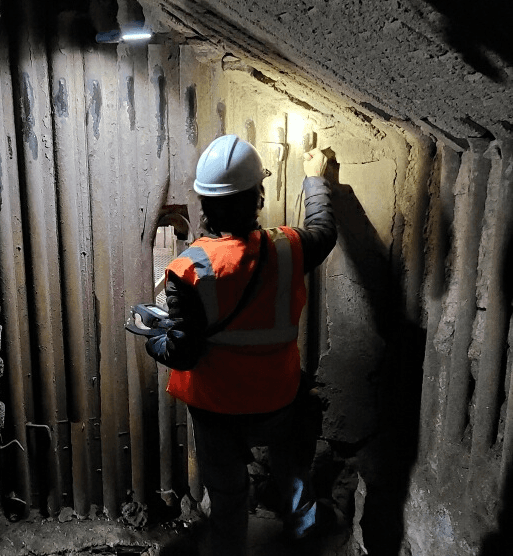
Align on the question the study needs to answer, decision timeline, and constraints. Gather existing data, drawings, operating history, and any prior studies.
Performance + Economic Analysis
Heat and mass balance, capital estimation, and economic modeling. Each alternative evaluated against site-specific conditions.
Options Evaluation + Scoring
Score alternatives against weighted criteria covering technical, economic, and operational dimensions. Sensitivity analysis on key assumptions.
Report + Recommendation
Deliver the feasibility report with options comparison, capital estimates, and recommended path forward. Review findings with stakeholders and align on next steps.
THE CPE DIFFERENCE
Engineers who design and evaluate
CPE’s engineers design, build, and optimize these systems. That expertise carries into every feasibility study.
Combustion and Boiler Design
CPE designs stoker, BFB, and CFB combustion systems. Feasibility studies go to the design level: superheater metallurgy at different steam temperatures, grate capacity for alternative fuels, fan sizing for debottlenecked flows.
Performance Modeling
Proprietary boiler heat transfer and combustion design software calibrated to real operating data. Performance predicted across multiple load points, fuel scenarios, and equipment configurations.
System-Level Assessment
A fuel switch affects ash handling, emissions controls, air systems, tube materials, and combustion controls. CPE traces how each change propagates through the full system.
Component-Level Detail
Maps what happens to each fan, duct, and control loop under the proposed conditions. Subsystem performance verified individually against target operating parameters.
Have a feasibility
question?
Tell us what you are evaluating and
we will let you know how CPE can help.
OUR SERVICES
Engineering Depth Across the Project Lifecycle
From initial assessment through construction-ready deliverables - boilers, combustion systems, steam and condensate, emissions control, and energy infrastructure.