Reducing Energy Costs and Emissions with Operational Resiliency
Establish energy-use benchmarks and KPIs, identify where losses are occurring, determine interrelations of root causes for the losses, identify areas for waste heat recovery and then develop a prioritized implementation plan to address root causes and leverage the areas for waste heat recovery.
COMMON ISSUES
When Is an Energy Audit the Right Step?
Production is bottlenecked by process heat, energy costs are rising, or energy KPIs are increasing or unknown.
Steam distribution and condensate collection systems have not been audited recently and their conditions are unknown.
A capital project is being planned and the facility’s energy benchmark needs to be established, before scoping out the project.
Multiple known issues have been identified but there is no clear picture of relative impact, priority, or where to start.
Recurring equipment failures (such as pumps, control valves, and heat exchangers) despite repeated repairs, with no clear root cause.
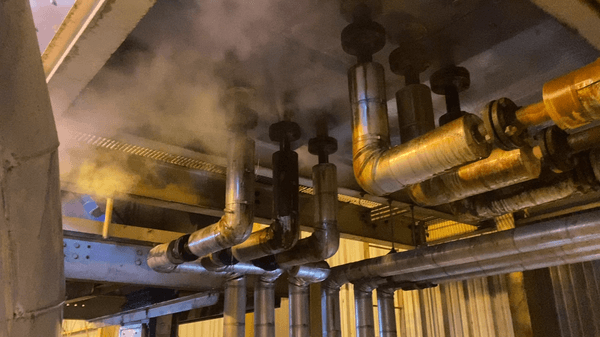
Steam venting has increased and/or steam is leaking from distribution network and users.
Condensate is observed leaking/venting to the ground.
Pitting and/or scaling is observed on the water side of boilers.
Fuel conditions (moisture content, acid content, nitrogen content, etc.) change.
Water hammering in piping systems.
DELIVERABLES
From Field Data to Action Plan
Audits produce decision-ready outputs. Reports are structured to support outage planning, capital approvals, and execution sequencing.
Audit Report With Findings and Recommendations
Field data, efficiency calculations, and prioritized recommendations in a single document ready for capital planning and outage scheduling.
Field Evidence and Diagnostics
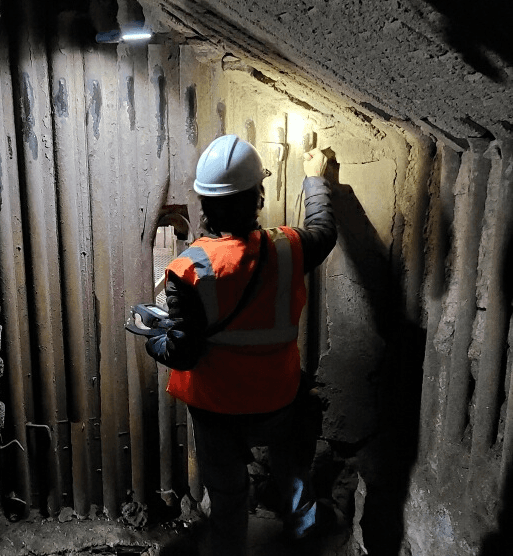
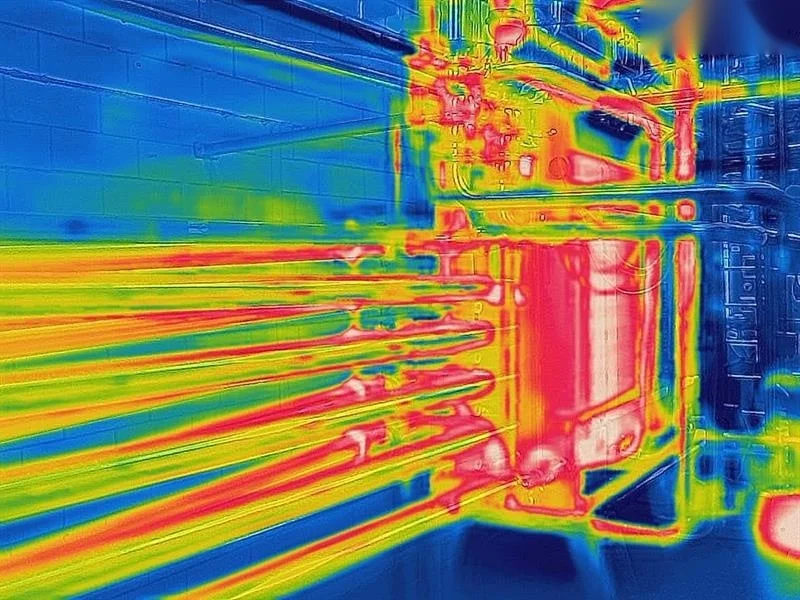
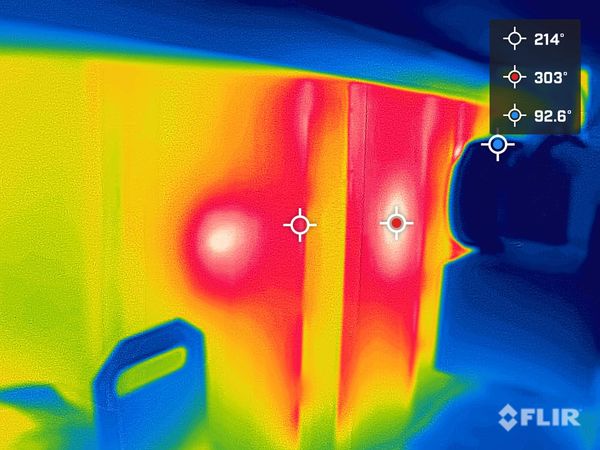
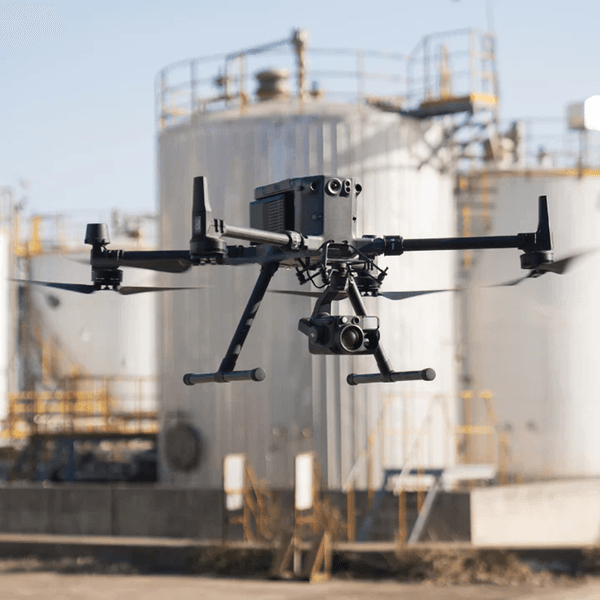
Thermal imaging, flue gas analysis, steam trap surveys, and field measurements conducted during on-site energy audits.
Prioritized opportunity register
Each opportunity ranked by energy savings, implementation cost, and payback period to support capital planning and outage scheduling.
| Finding | Category | Impact |
|---|---|---|
| Optimize Combustion O₂/CO Setpoints | Medium range | ~$85K/yr fuel savings |
| Install Condensate Flash Steam Recovery | Long range | ~$120K/yr energy + water |
| Replace 12 Failed Steam Traps (Area B Headers) | Low hanging fruit | ~340 lb/hr steam loss |
SCOPE
Common Energy Audit Focus Areas
Every energy audit is scoped to the facility. These are the areas most commonly included, organized by process heat generation (i.e. boilers), distribution and return of the process heat (i.e. steam and condensate systems), and utilization of the heat in the process (i.e. dryers, heat exchangers, distillation columns, etc.).
Boiler Performance
Combustion benchmarking with flue gas analysis (O₂, CO, NOₓ, stack temperature). Efficiency calculated, tuning opportunities identified, and operating configuration assessed.
Steam, Condensate & Compressed Air Leaks
Visual audit of steam, condensate, and compressed air leaks by area. Losses quantified by location as lb/hr and $/year, with prioritized repair sequence.
Condensate & Blowdown Recovery
Condensate return rates, flash steam recovery potential, and blowdown heat recovery. Identifies where condensate or flash steam is being lost to drain or atmosphere.
Water Treatment & Feedwater
Softener and RO performance, feedwater chemistry, conductivity levels, and chemical treatment adequacy. Flags conditions that contribute to scaling, excess blowdown, or equipment damage.
Steam Traps
Condition survey of steam traps and drip legs. Each trap categorized by condition (failed open, failed closed, flooded, bypassed, missing) with estimated losses.
Insulation
IR thermography of uninsulated and under-insulated surfaces: pipes, headers, tanks, deaerators, and boiler enclosures. Heat loss and savings quantified per location.
Steam Quality
Steam quality can erode for multiple reasons. This can be from improperly designed or damaged boiler steam drum water separators or from heat loss in long runs of pipe (especially in oversized piping and/or poor insulation).
Process Waste Heat Recovery
Identify and quantify where heat is lost in the process (stacks, heat rejected to cooling towers, high-grade steam used to heat low-temperature sources) to perform a pinch analysis and identify waste heat recovery opportunities. Solutions range from localized recovery systems (recuperators) to plant-wide systems (heat pumps and heat distribution loops).
Alternative Energy Sources
Focus on identifying ways in which to upcycle process waste heat into higher grade energy to displace boiler, thermal fluid, or air heater primary energy. Also includes evaluation of unique site energy conditions (i.e. periodic low-cost electricity from grid-based wind or solar) to augment process energy from primary fuel sources.
Energy Supply versus Demand Response Logic
Every process has a unique energy demand that is often siloed from the production of the process heat. Each audit evaluates the energy demand data, across the site, to determine if there is a cascade control scheme that can improve process heat availability, reduce fuel costs and emissions.
PROJECT EXAMPLES
Energy audit
project examples
Debottlenecking
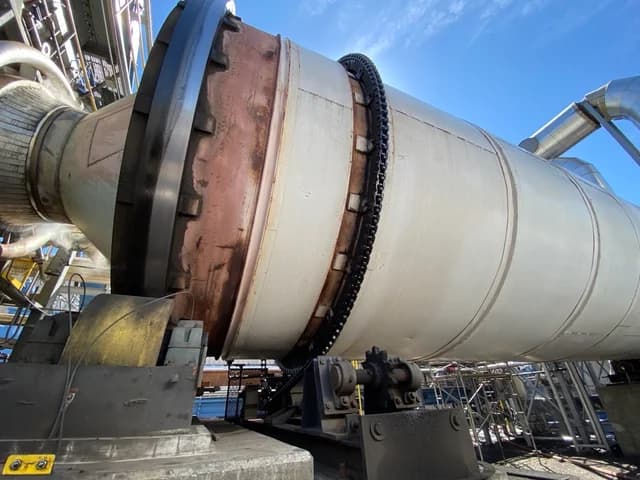
Biochar Facility Debottlenecking & Capacity Expansion
A comprehensive pyrolysis yield analysis with heat and mass balance to identify process and equipment constraints and engineer a path for tripling biochar production capacity.
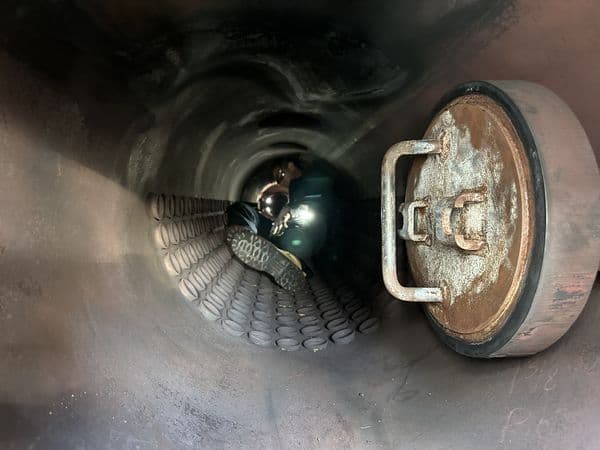
Root-Cause Investigation
Steam contamination pathway traced to source
Multiple contamination pathways identified across the steam and condensate systems. However, the primary driver for the issue was galvanic corrosion in galvanized piping downstream of an RO system. Corrective actions and appropriate metallurgies were identified and deployed.
HOW IT WORKS
Typical Energy Audit Engagement
Scope, tools, and depth are tailored to each facility.
No-Obligation Consultation
Discuss your facility’s needs and challenges. CPE will assess how an energy audit can support your goals and recommend a tailored scope.
Kickoff + Data Request
Align on objectives, constraints, and decision timing. Review available drawings, operating data, and maintenance history.
Site Visit + Measurements
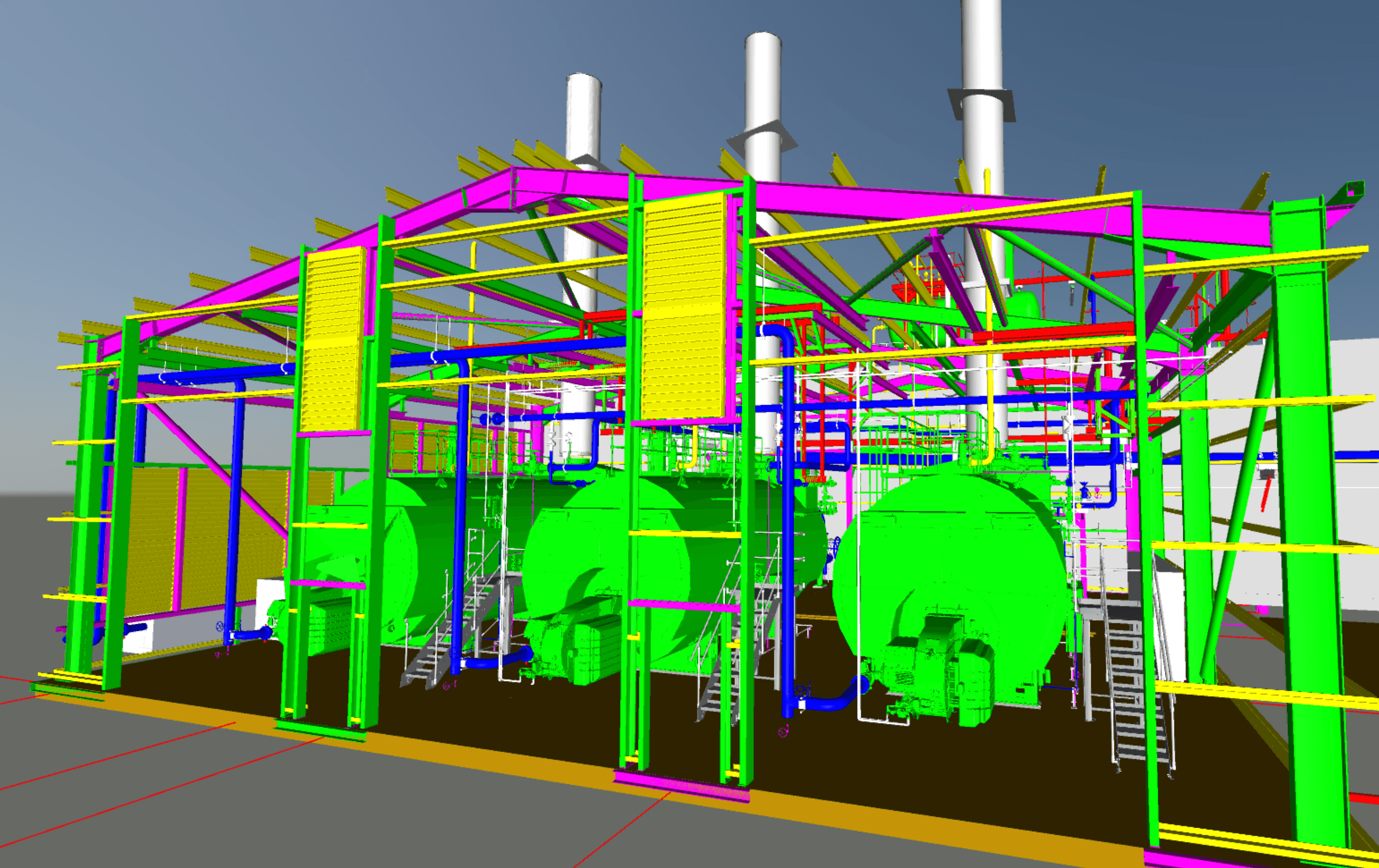
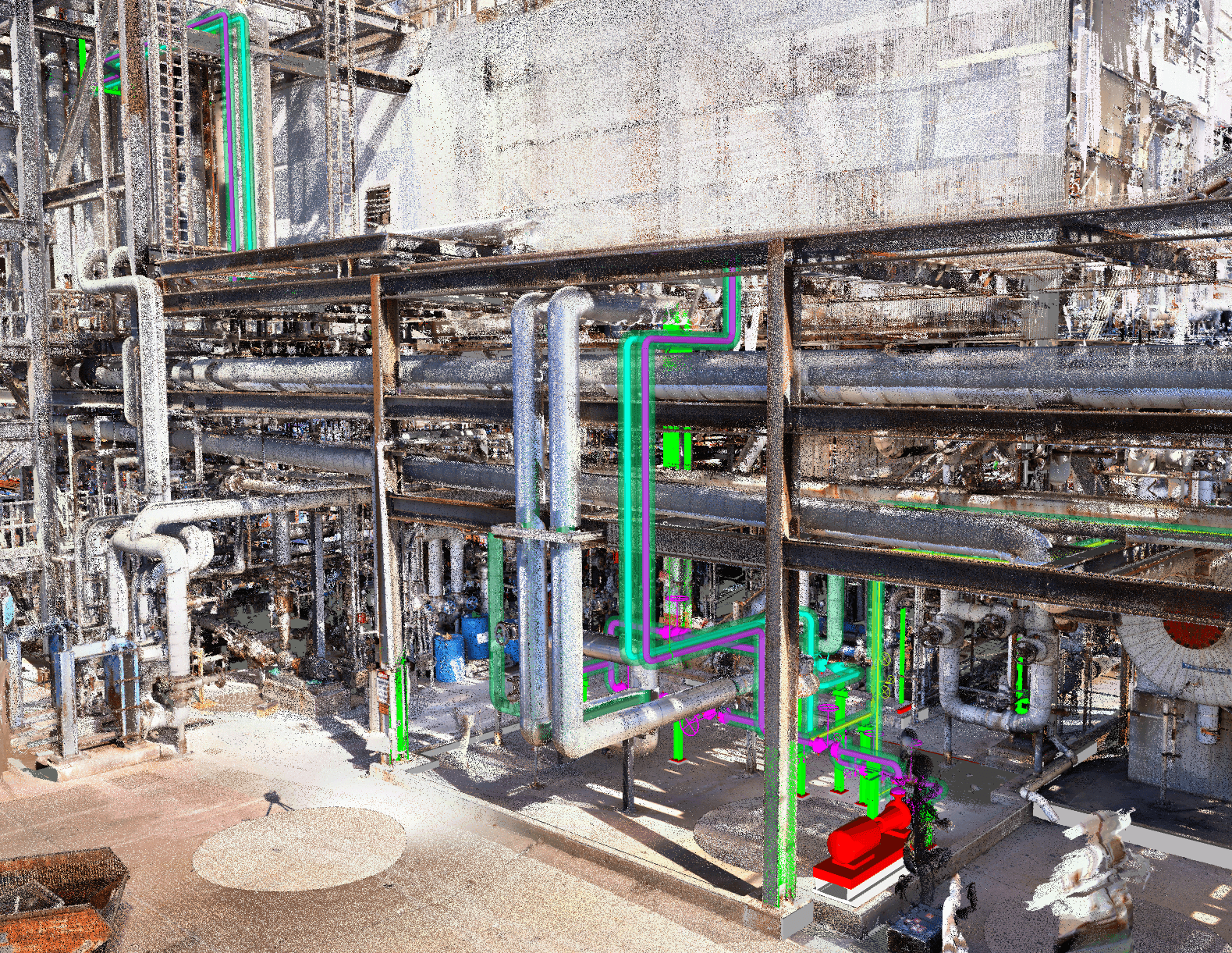
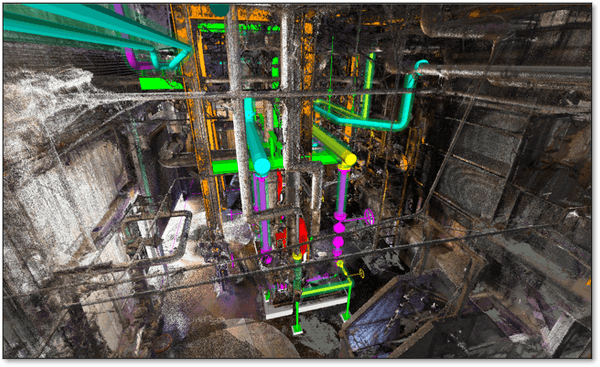
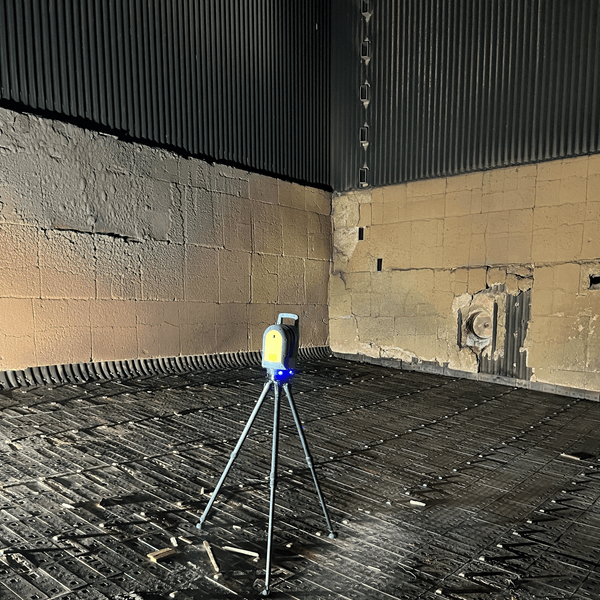
Stakeholder interviews, equipment walkdowns, benchmark testing, and field evidence capture using IR thermography and calibrated instrumentation. CPE fully photo documents findings with annotations and performs reality capture - 3D laser scanning or drone photogrammetry.
Opportunity Register + Prioritization
Findings ranked in an opportunity register with quantified impact, priority, and implementation path. Cost savings and estimated capital costs provided with defined inputs and design assumptions. Heat and mass balances developed for every site.
Readout + Next Steps
Review findings with stakeholders. Align on priorities, sequencing, and next actions, whether maintenance, outage scope, or capital project initiation.
THE CPE DIFFERENCE
Engineers who design and diagnose
CPE's engineers design, troubleshoot, and optimize these systems. That expertise carries into every audit.
Combustion & Boiler Design
CPE designs combustion systems. During audits, that means diagnosing at the design level: fuel distribution, air system balance, damper configuration, and refractory condition.
Process Engineering
System-level thinking that traces how one failure propagates. A water chemistry issue that scales tubes. A condensate problem that idles downstream equipment. A fuel quality issue that drives emissions.
Controls & Instrumentation
Field validation of control logic, instrument calibration, and sensor placement against actual conditions. Assesses the control scheme as a system, including interactions between instruments and logic.
Root-Cause Investigation
When the same problem recurs despite repairs, CPE traces the chain from symptom to source: design deficiencies, material incompatibilities, contamination pathways, and control gaps.
Have an energy audit
question?
Reach out for a free consultation. Tell us about your challenges and goals and we will let you know how CPE can support your path to addressing and correcting them.
OUR SERVICES
Engineering Depth Across the Project Lifecycle
From initial assessment through construction-ready deliverables - boilers, combustion systems, steam and condensate, emissions control, and energy infrastructure.