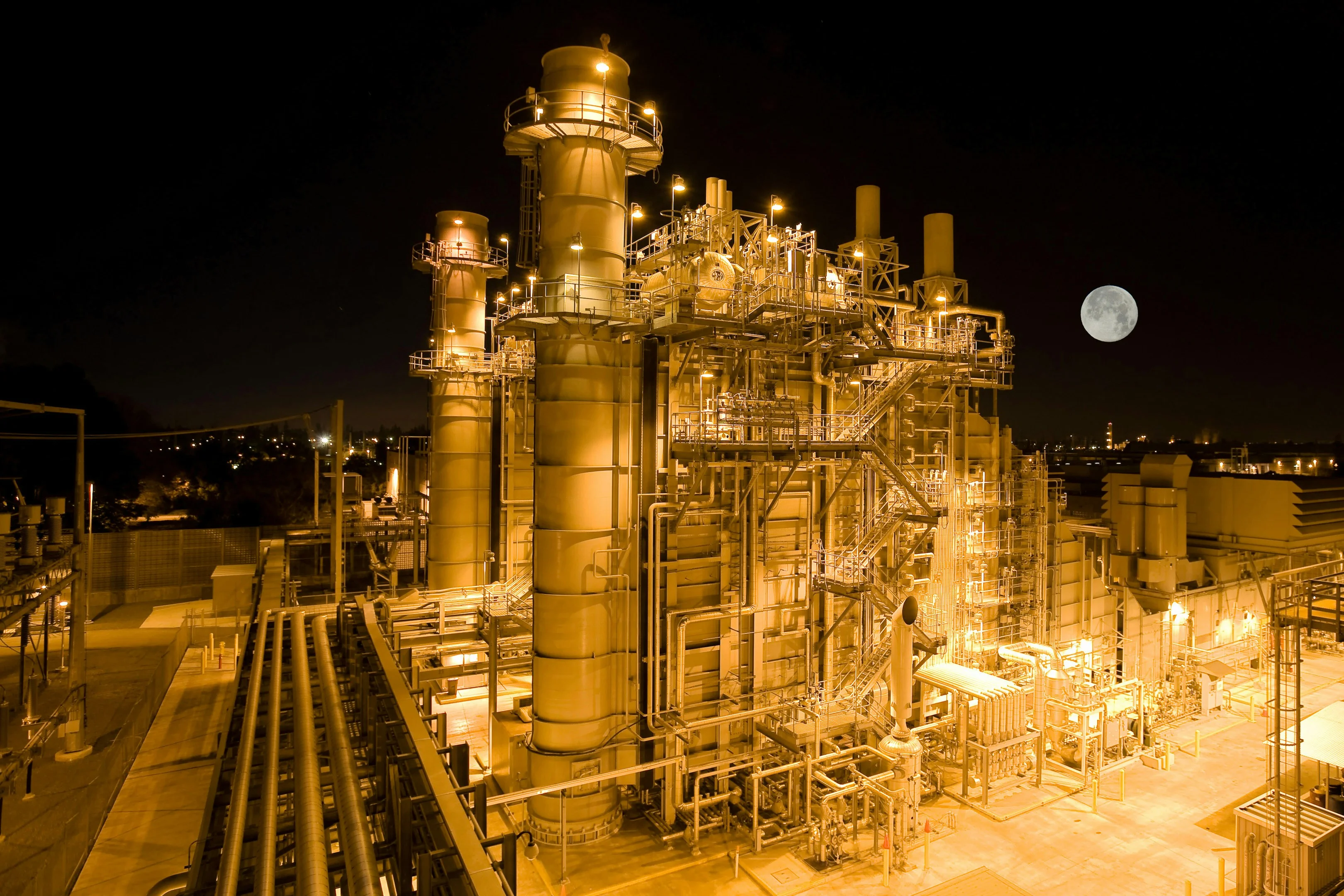
CPE provides engineering across the full spectrum of power generation - from baseload solid-fuel plants running at 90%+ capacity factor to natural gas peaking units that sit idle for months and need to start reliably on four hours’ notice. The common thread is fired equipment, steam generation, heat recovery, and emissions compliance. That is where CPE operates regardless of fuel, combustion technology, or duty cycle.

Power Generation
CPE provides engineering across the full spectrum of power generation - from baseload solid-fuel plants running at 90%+ capacity factor to natural gas peaking units that sit idle for months and need to start reliably on…
Solid Fuel Combustion
Solid-fuel power is where CPE has the deepest bench. The firm has designed, assessed, and optimized boilers firing biomass (wood waste, bark, agricultural residues, bagasse, rice hulls), coal, petroleum coke, and refuse-derived fuel across every major combustion platform: bubbling fluidized bed (BFB), circulating fluidized bed (CFB), vibrating grate and traveling grate stokers, and pulverized fuel systems (wall-fired and tangentially fired). Our scope covers combustion system design and optimization, fuel feed and metering, overfire air systems, grate and refractory design, sootblower optimization, and the full range of ash handling - bottom ash, fly ash, and bed material management.
Solid-fuel baseload plants are complex integrated systems. A single boiler connects to fuel handling, combustion air, flue gas treatment, steam generation, feedwater, and ash removal - and a problem in any one subsystem limits the whole plant. CPE models the boiler and all appurtenant systems as an integrated whole rather than looking at components in isolation. That is what allows us to identify real bottlenecks and recommend capital improvements that actually move capacity or efficiency, not just check a box.
Natural Gas and Liquid Fuel Combustion
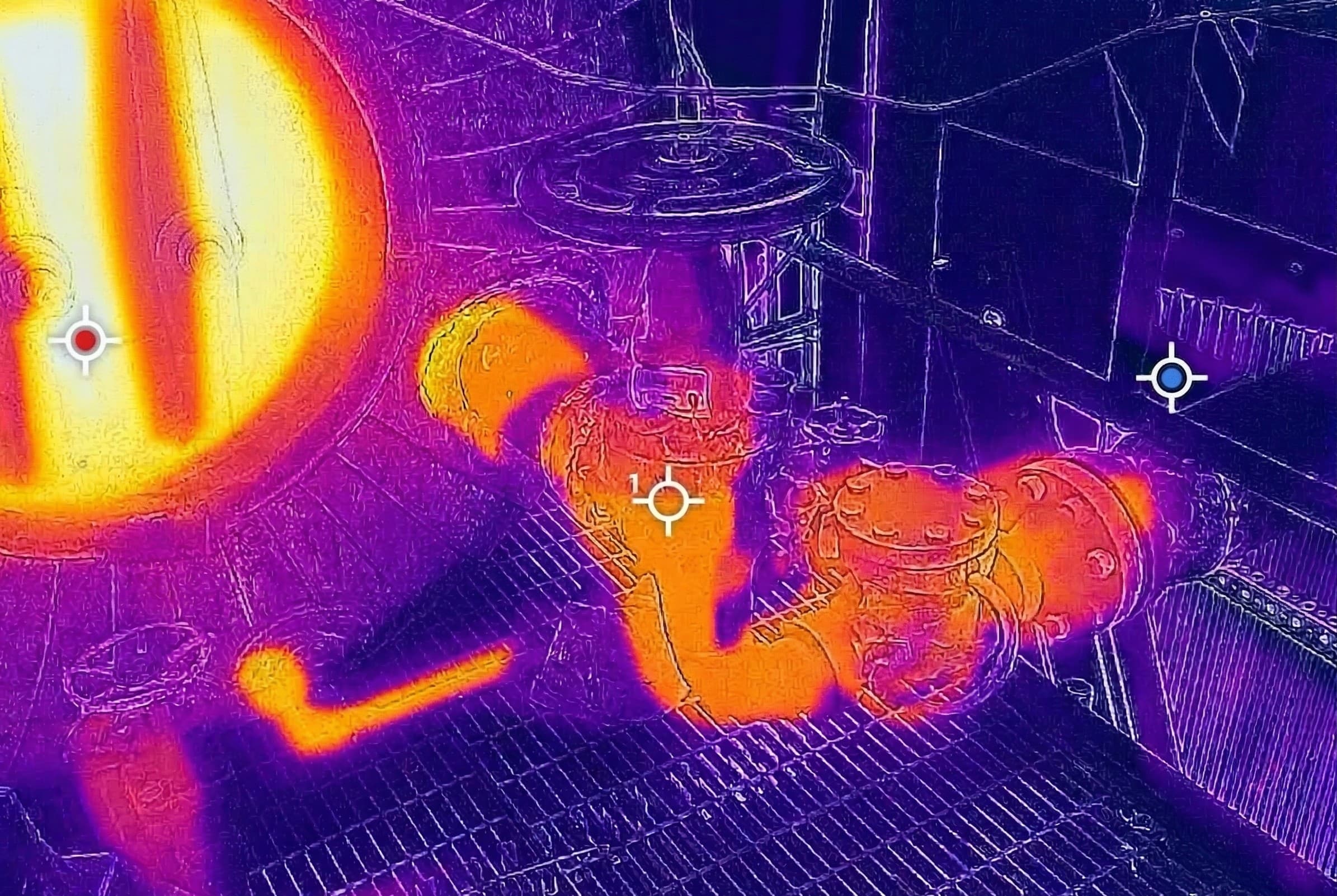
On the gas and liquid side, CPE works on package and field-erected water-tube boilers, fire-tube boilers, and process heaters firing natural gas, No. 2 and No. 6 fuel oil, waste-derived liquid fuels, and dual-fuel configurations. Scope includes burner selection and specification, combustion tuning and optimization, fuel switching and conversion studies (coal-to-gas, oil-to-gas, biomass-to-gas), and low-NOx burner retrofits. For plants with backup liquid fuel capability, CPE addresses the fuel train, atomization, and emissions implications of switching between fuels.
Heat Recovery Steam Generators
Combined cycle and cogeneration plants pair combustion turbines with HRSGs to extract additional energy from turbine exhaust. CPE provides engineering for HRSG performance assessment, pinch point and approach temperature analysis, supplementary duct firing design and optimization, attemperator and desuperheater systems, and drum-level control. Whether the HRSG is a single-pressure unit behind an aeroderivative turbine at a small industrial cogen facility or a multi-pressure reheat unit in a large combined cycle plant, the thermodynamic and mechanical engineering challenges fall squarely within CPE’s practice.
Steam Turbine Systems
CPE’s steam turbine work includes performance modeling across multiple load cases, extraction and backpressure turbine selection for cogeneration applications, steam path audits, and integration of turbine performance with boiler and condenser operations. We develop heat balance models that allow plant operators and owners to evaluate trade-offs between power output, process steam extraction, and fuel consumption at various operating points - critical for cogen plants that must balance electric generation with process steam demand.
Emissions Control Systems
Every power generation technology has an emissions compliance requirement, and the specific control technologies depend on the fuel, combustion system, and regulatory jurisdiction. CPE designs, specifies, and optimizes SCR and SNCR systems for NOx, ESPs and fabric filter baghouses for particulate, dry sorbent injection and wet scrubber systems for SO₂ and acid gas, and activated carbon injection for mercury. For solid-fuel plants, CPE also addresses opacity, CO, and VOC compliance through combustion optimization - often the most cost-effective first step before adding back-end controls.
Balance of Plant
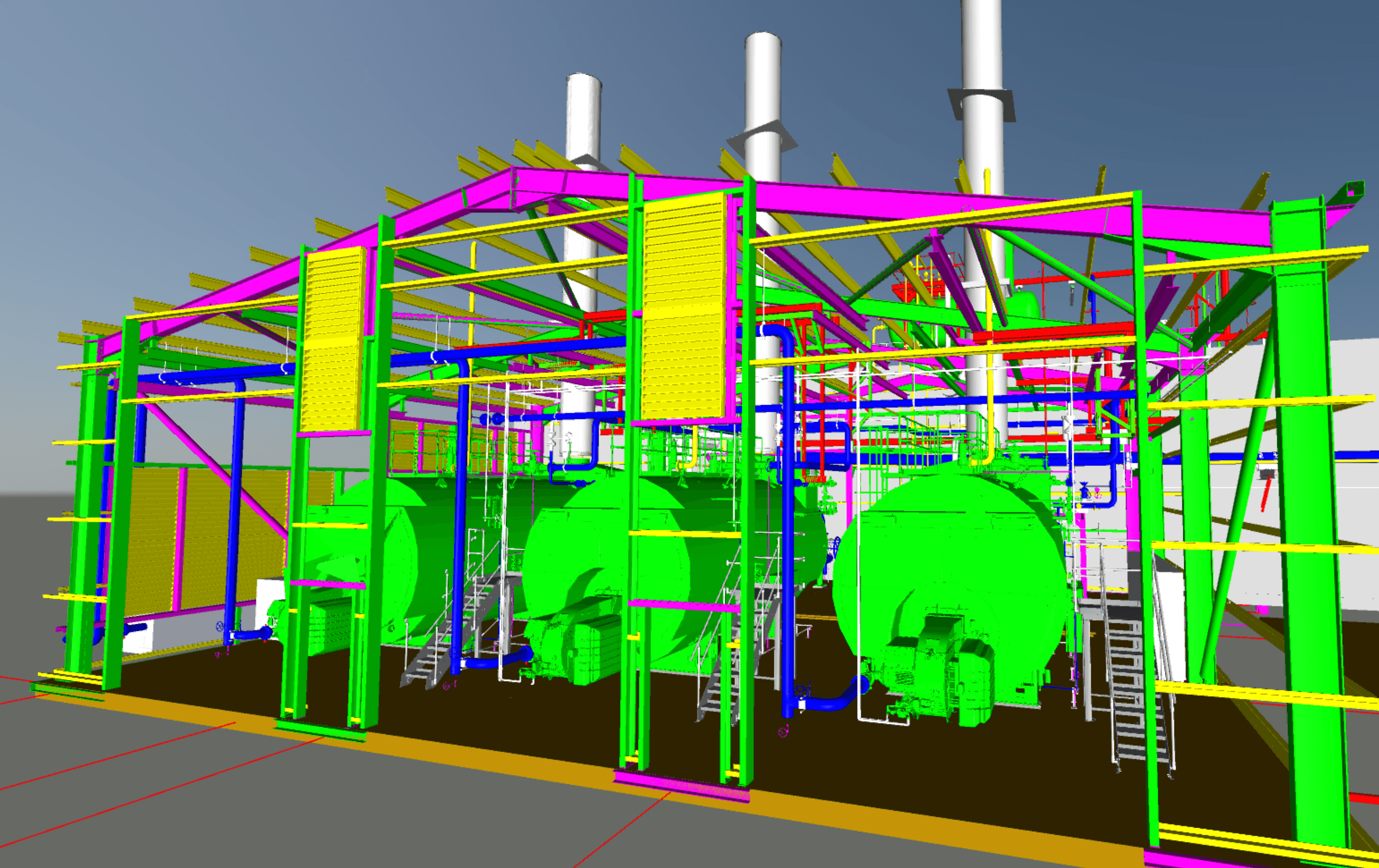
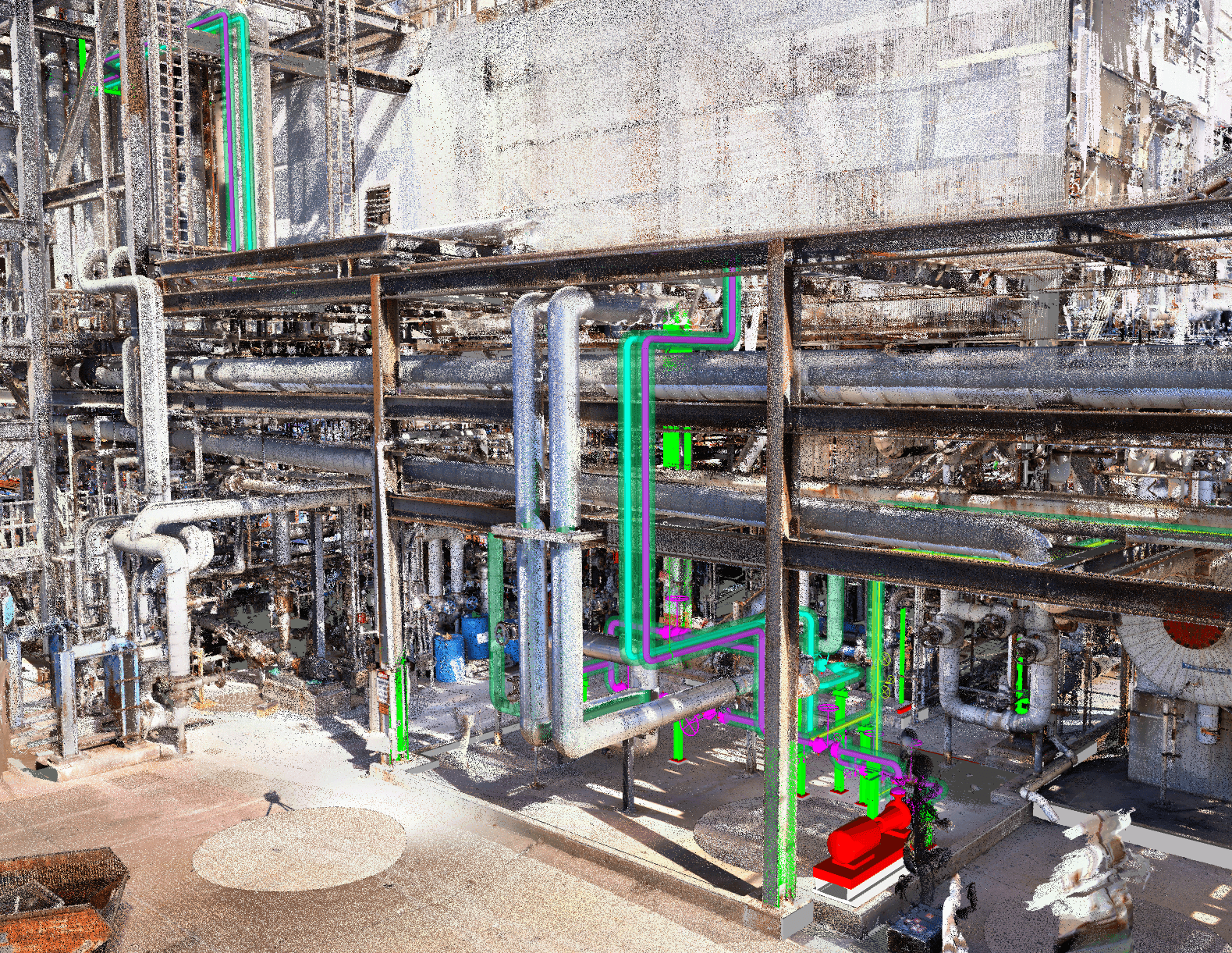
Beyond the boiler island and emissions controls, CPE provides multi-discipline engineering for the supporting systems that keep a power plant running: feedwater and condensate systems, deaerators, chemical feed, boiler water treatment, cooling water, fuel handling and storage, compressed air, and plant-wide piping and instrumentation. The firm delivers full detailed engineering packages - P&IDs, equipment specifications, structural steel, electrical, instrumentation and controls - for both greenfield plants and brownfield retrofits.
Energy Audits and Performance Optimization
For operating plants, CPE conducts combustion efficiency testing, heat loss surveys, steam trap assessments, insulation surveys, and full boiler performance evaluations. These assessments quantify where energy is being lost, rank corrective actions by cost-effectiveness, and provide the engineering basis for capital improvement decisions. For plants considering fuel switching, capacity upgrades, or compliance retrofits, CPE performs feasibility studies that model performance and estimate costs before the owner commits capital.
Codes, Standards, and Regulatory Familiarity
CPE executes power generation work under ASME Boiler and Pressure Vessel Code (Sections I, II, IV, VIII), NFPA 85, NFPA 86, API standards for fired equipment, ISA/IEC instrumentation standards, and EPA regulatory frameworks including NSPS, NESHAP, MACT, and state implementation plans.
Why CPE
Power plants have access to large EPC firms and OEM service organizations. What they often lack is an independent engineering firm that can evaluate a boiler, its combustion system, its emissions train, and its steam cycle as a single integrated problem - without a tied equipment recommendation or a construction contract driving the conclusions. CPE fills that role. We have spent careers inside these plants, and we model the whole system because that is where the real answers are.
The combination of solid-fuel combustion depth, gas and liquid-fired equipment engineering, HRSG and steam turbine integration, and multi-pollutant emissions control - delivered by a firm with no equipment sales agenda and single-firm PE accountability - is what sets CPE apart in the power generation sector.
Work in one of
these industries?
Tell us what you are working on and we will let you know how CPE can help.