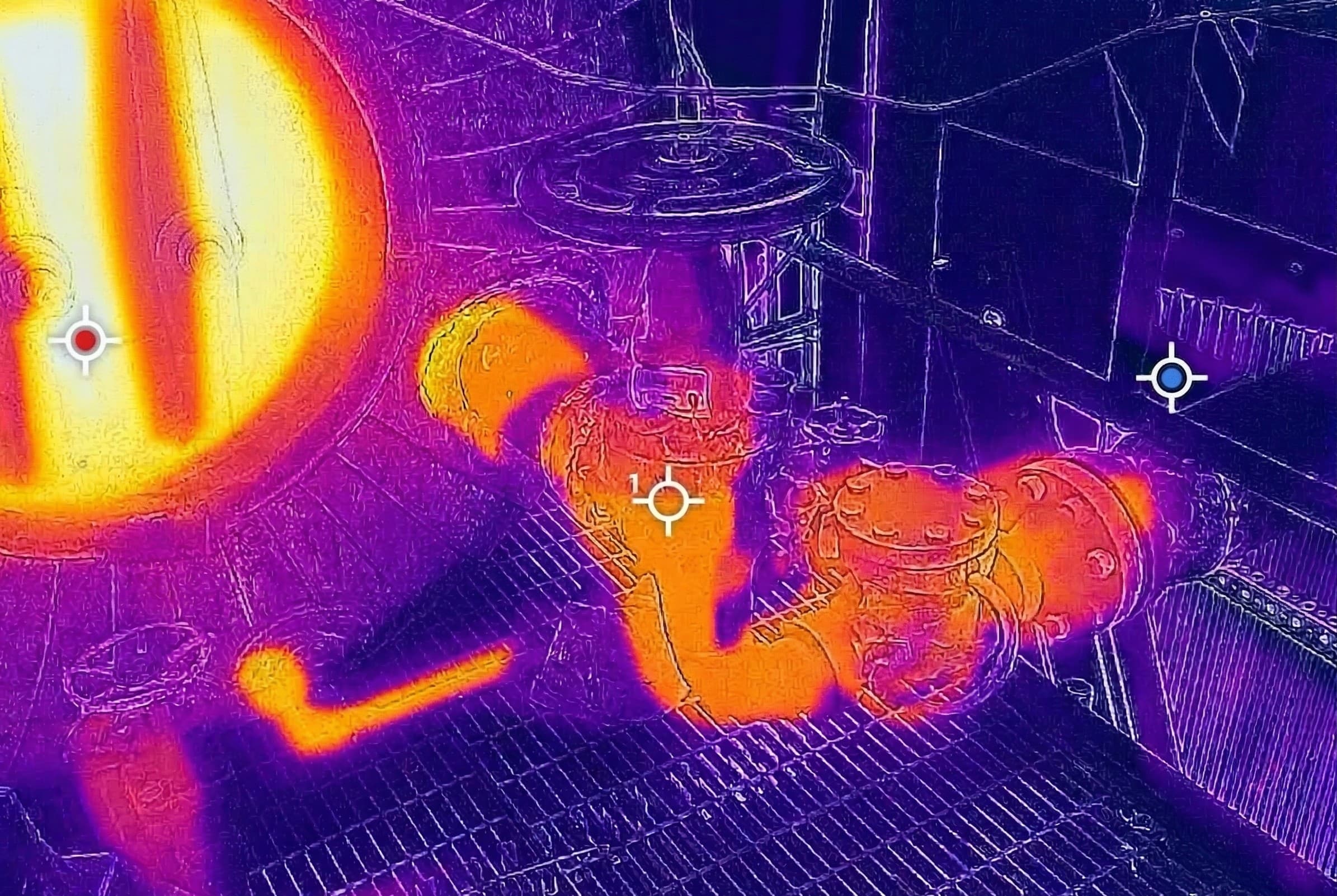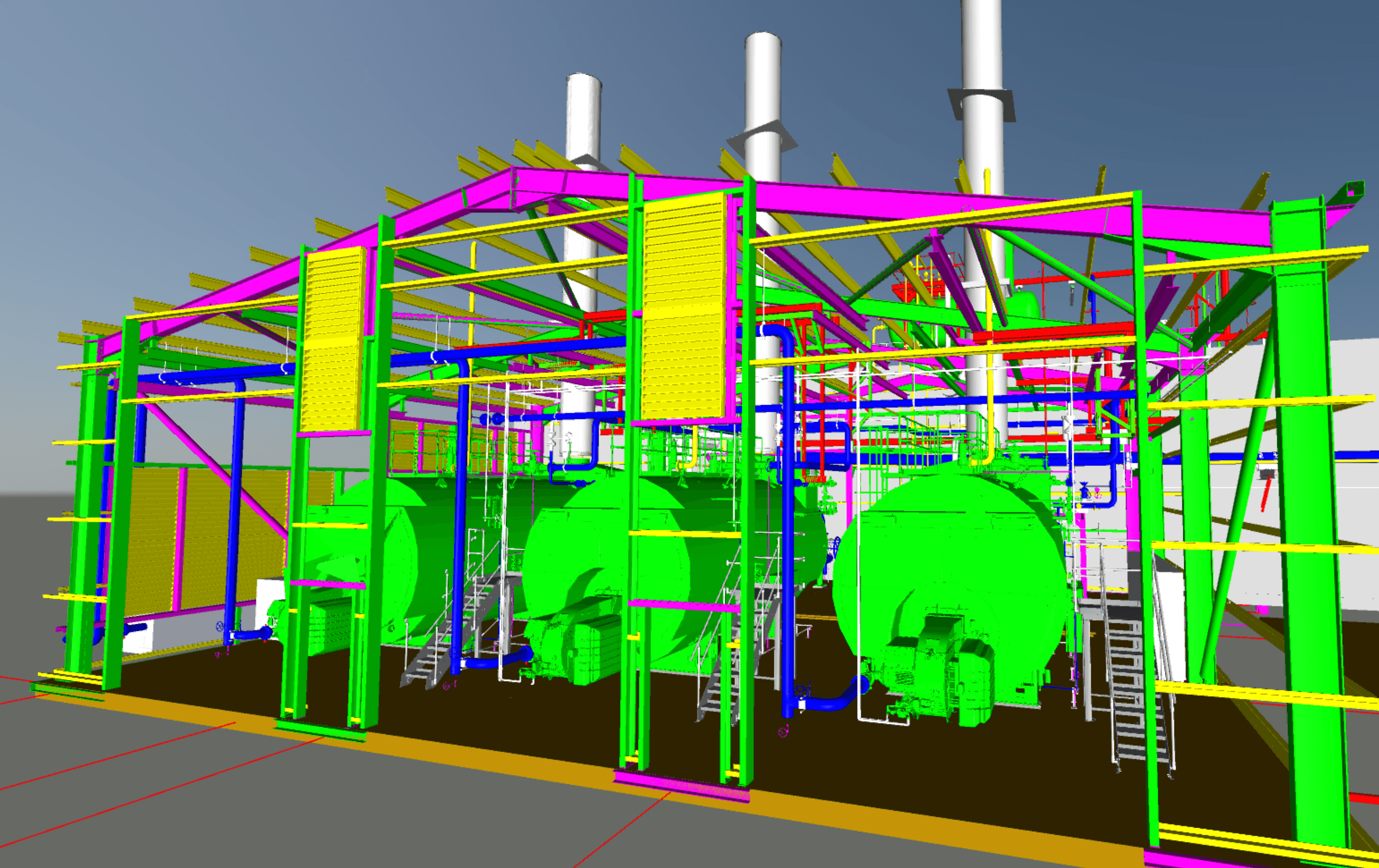
Before any WTE facility can be designed, the fuel must be understood - and in waste fuel applications, that means something fundamentally different than conventional combustion. CPE characterizes MSW by conducting or reviewing waste composition studies, modeling heating value variability across seasonal and demographic ranges, and establishing the design-basis fuel specification (moisture, ash, heating value, chlorine, sulfur, alkali metals, heavy metals) that drives every downstream decision. For RDF and processed engineered fuels, CPE evaluates whether the claimed fuel quality is realistic and sustainable over the facility’s operating life. For TDF, C&D debris, sewage sludge, and industrial process wastes, CPE identifies the contaminants of concern and designs combustion and emissions systems that manage the specific risks - or advises the client that certain waste fractions should be excluded.
The regulatory classification of a waste fuel - solid waste, hazardous waste, non-waste fuel, or product fuel - determines which federal and state regulations apply. Getting this wrong can mean the difference between a viable project and one that is economically impossible under the wrong regulatory framework. CPE helps clients navigate this determination from the feasibility stage.